



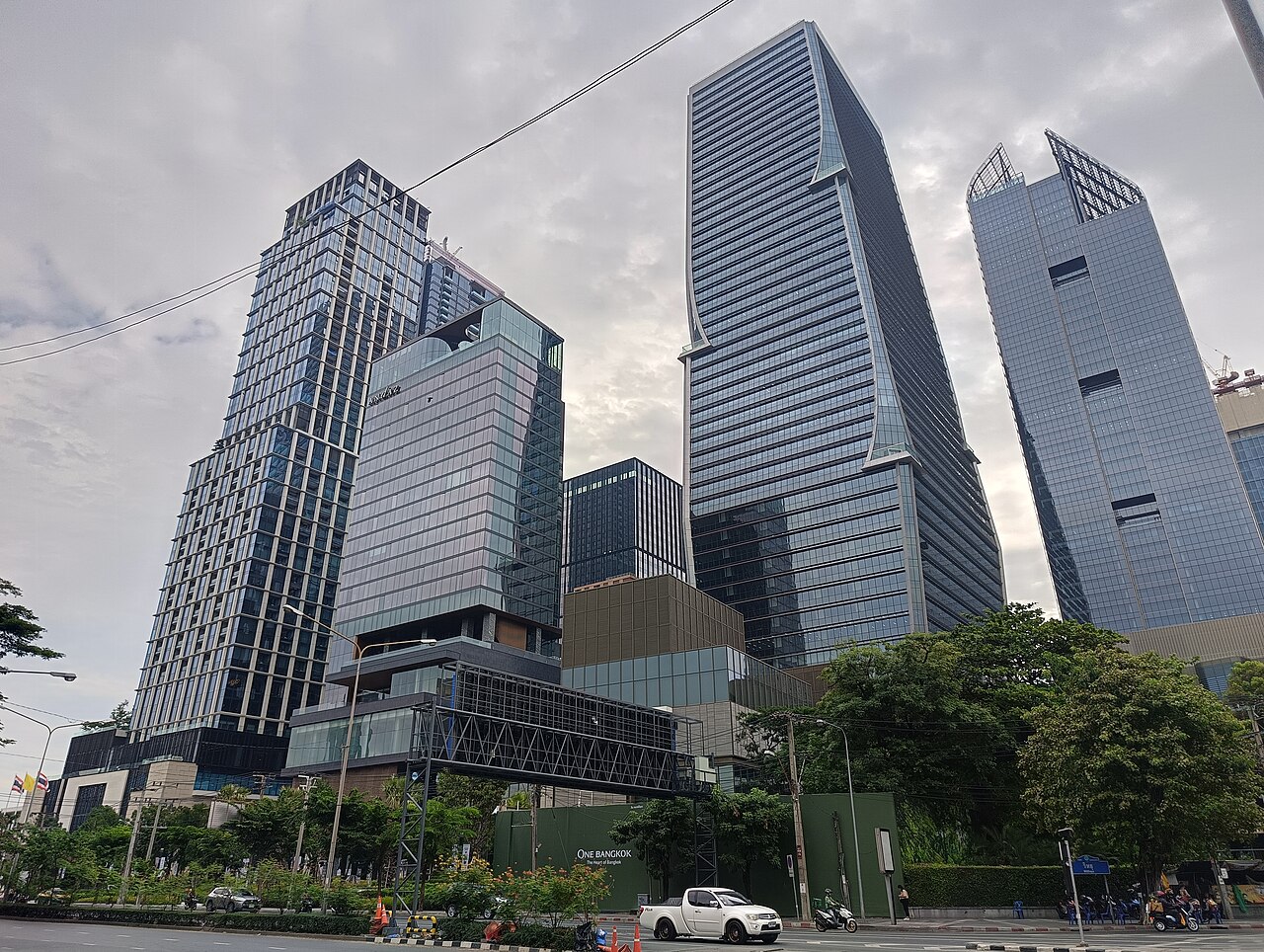
The Philippines won the first Eurovision Song Contest Asia on Saturday 14 November 2026 in Bangkok, where singer CARMELLE topped the competition with her song Sobra-Sobra. The inaugural final took place at the One Bangkok Forum in Thailand and brought together performers representing 11 Asian countries. The European Broadcasting Union (EBU), which announced the result, said the winner finished first in both the professional-jury and public votes.
Philippines takes the first Eurovision Asia title
CARMELLE received 211 points altogether, made up of 93 from professional juries and 118 from the public. This combination put the Philippine entry ahead of its competitors in the first edition of the Asian contest. The outcome was not decided by a single panel: the competition brought together evaluations by national juries and votes from viewers. It is a distinction worth noting, because the winning artist topped both parts of the voting rather than relying on one to compensate for a weaker performance in the other.
Thailand, which hosted the final, finished second with the duo MANG x DAOU and their entry Aroma. Vietnam placed third, represented by Tóc Tiên with EM TIÊN. Malaysia and Laos completed the top five, according to the EBU. The organiser’s announcement therefore establishes the winner, leading positions and the broad character of the result without requiring assumptions about how any individual country voted.
How the voting worked across countries and territories
The contest brought together professional juries from each of the 11 participating countries. The audience vote accounted for half of the combined result, and an additional Rest of the World vote carried the equivalent weight of the vote from one participating country. The EBU said it received votes from 183 countries and territories, including those represented in the competition. This meant that the event reached viewers well beyond the 11 countries sending artists to Bangkok.
- 211 points for the winning Philippine entry.
- 93 jury points and 118 public-vote points for CARMELLE.
- 11 countries participating in the inaugural final.
- 183 countries and territories from which votes were received.
- 50% of the result assigned to the public vote.
These figures describe the contest’s published voting structure and final winner’s score. They do not establish how many individual viewers watched the full event or how many separate voting transactions occurred. The number of territories participating in the vote should not be confused with a verified television audience figure, which the cited announcement does not provide.
Eleven Asian music scenes on one stage in Bangkok
Artists representing Bangladesh, Bhutan, Cambodia, Laos, Malaysia, Mongolia, Nepal, the Philippines, South Korea, Thailand and Vietnam performed in the inaugural final. According to the EBU, the songs were performed across 10 local languages and English. The event was presented under the established Eurovision theme United by Music, placing the focus on performers from different musical traditions taking part in the same televised competition.
The programme was hosted by Thai television personalities Woody Milintachinda and Cindy Bishop. It opened with a specially commissioned presentation called Bangkok Sounds and Senses, intended to reflect the host city’s contrasting musical rhythms and cultural atmosphere. The evening also featured guest performances by Thai singer Jeff Satur and DARA, winner of the European Eurovision Song Contest earlier in 2026, who presented the trophy to the inaugural Asian champion.
CARMELLE’s path from television competitions to victory
Before her Eurovision Asia victory, CARMELLE had appeared in several television entertainment formats. The EBU identifies her as a former runner-up on The Voice Kids, a winner of Tawag ng Tanghalan and a participant in Pinoy Big Brother. That background placed her among artists already familiar with televised performances and public competition before she represented the Philippines in Bangkok.
The winning song was credited in the EBU announcement to Gianina Camille, Nico del Rosario, Mart Sam Emmanuel and Mat B. Olavides. The result recognises CARMELLE as the performing artist and also places the songwriters behind the entry within the record of the contest. The organiser announced the title as Sobra-Sobra in its line-up and results information.
A new Asian edition in Eurovision’s seventieth year
The Asian event launched during the seventieth year of the broader Eurovision Song Contest tradition. Its final was produced by Voxovation and Bangkok-based S20 Productions, according to the EBU. Participating broadcasters were joined by coverage through the official Eurovision Song Contest YouTube channel and additional EBU member broadcasters elsewhere. The published information identifies both regional participation and distribution outside Asia, but does not provide a complete measure of international viewing figures.
For the organisers, the central confirmed development is now a completed first edition and a named winner. Questions about future editions, the list of countries that might join later, and any subsequent change in the competition’s presentation should be answered through later official announcements. The victory in Bangkok is an established result; projections about the contest’s future are not.
What remains to be confirmed
- The complete final audience and streaming figures for the inaugural Asian contest.
- The host city, participating broadcasters and detailed arrangements for a possible next edition.
- Any subsequent official updates to the published scoreboard or voting breakdown.
Source: European Broadcasting Union