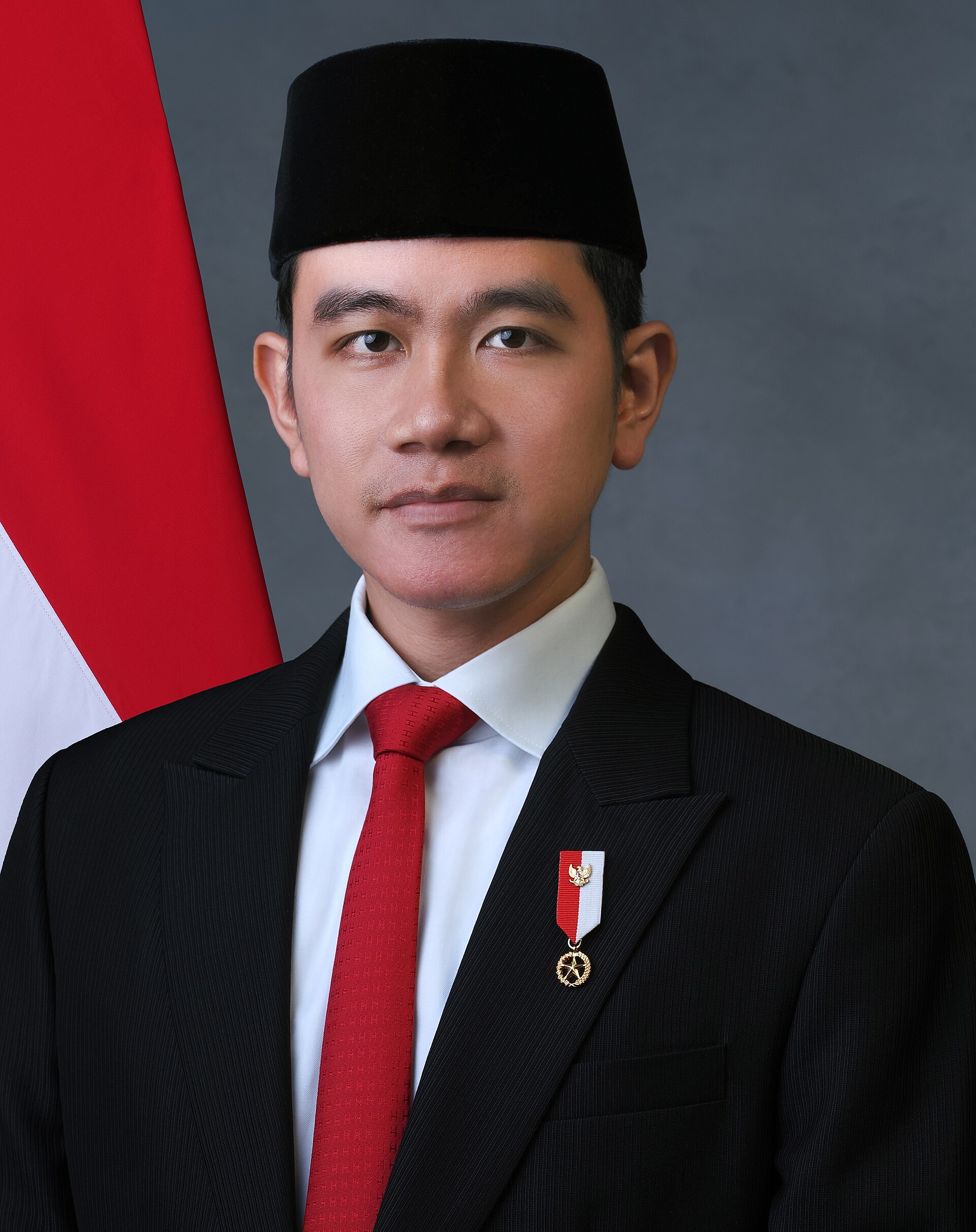






Cape Verde held a presidential election on Sunday, 15 November 2026, with incumbent José Maria Neves seeking another term against five challengers. Among them was former justice minister Joana Rosa, the first woman to stand for the country’s presidency. The debate has centred on jobs, the departure of young people and the country’s political balance.
Six candidates in an important presidential vote
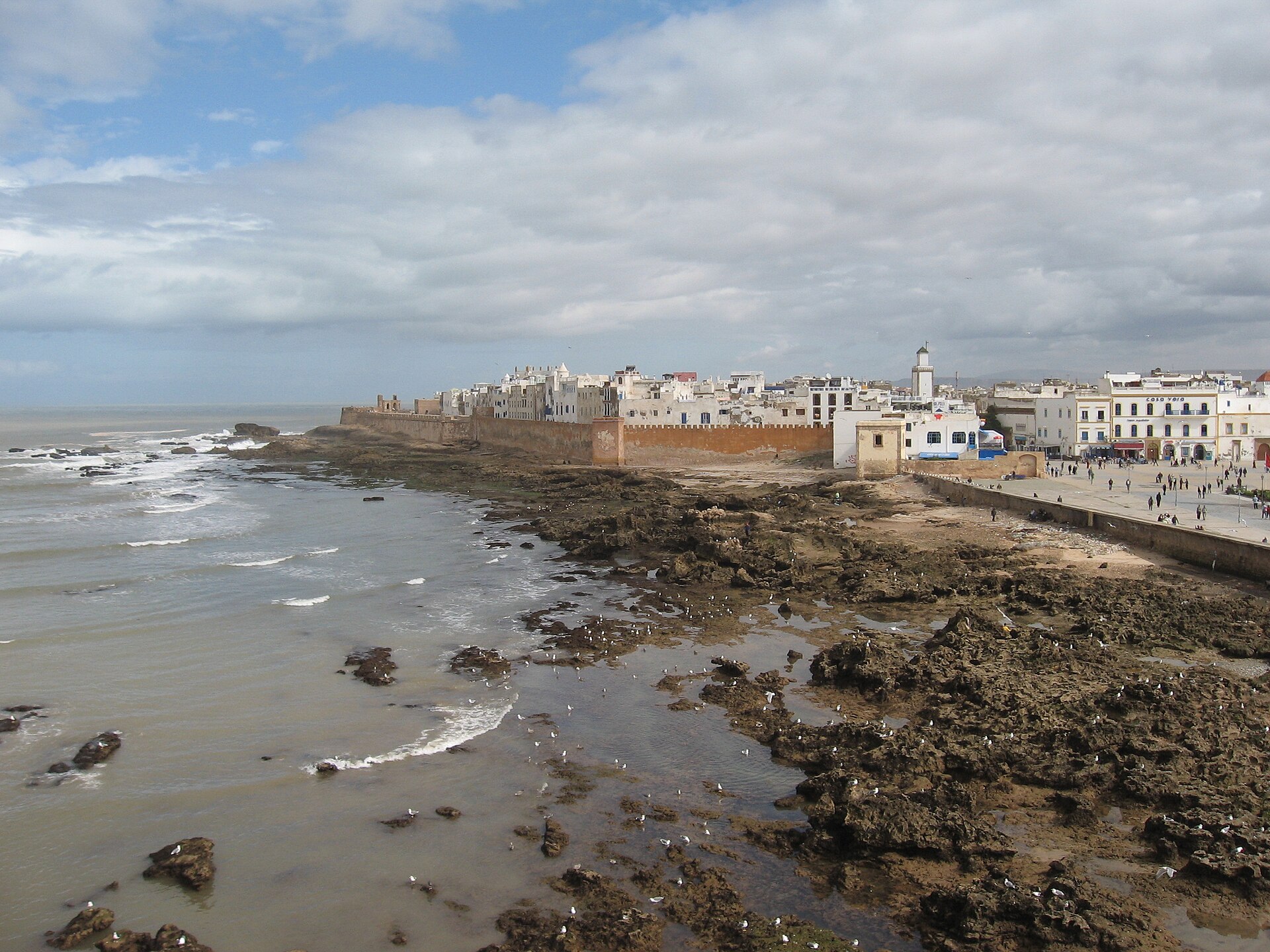
Voters went to the polls across the Atlantic archipelago, which lies more than 600 kilometres west of the African mainland. The country, which became independent from Portugal in 1975, has a population of roughly 500,000. Reuters reports that an even larger Cape Verdean population lives overseas, particularly in Portugal and the United States. That demographic reality makes migration more than a foreign-policy question: it is closely linked to the opportunities available to families and younger workers at home.
Neves has served as president since 2021 and previously spent 15 years as prime minister. He is associated with the African Party for the Independence of Cape Verde, known as PAICV. Although he has been regarded as the favourite, that assessment is not an electoral result. The ballot includes six candidates, and the final outcome is for voters and the election authorities to determine.
Joana Rosa’s historic candidacy
Rosa, a former justice minister, is backed by the Movement for Democracy, or MpD. Her candidacy marks the first time a woman has competed for Cape Verde’s presidency since independence. This is a landmark in representation, but it does not by itself indicate how voters will cast their ballots. Reporting from the campaign suggests that political affiliation and the country’s economic prospects are also central considerations.
The MpD governed before the most recent parliamentary change of power. Rosa has stressed the importance of creating prospects for people who otherwise see leaving the islands as their best option. She has also argued for a counterweight to the party currently leading the government. Her candidacy therefore brings together questions of political competition, representation and economic opportunity.
Why youth employment and emigration dominate
The gap between the population at home and the sizeable diaspora is a defining feature of the election campaign. Departure for employment abroad can reshape family life and the prospects of communities on the islands. Both main contenders have addressed the issue, though with different emphases. The immediate question for voters is not simply whether migration will continue, but which policies might improve the choice to remain and build a career locally.
- Neves has proposed a youth gathering to discuss employment and longer-term national priorities.
- Rosa has called for more opportunities at home and measures intended to discourage the loss of young workers.
- Voters are also weighing housing, education, healthcare and living standards, according to Associated Press reporting.
These are campaign proposals and concerns, rather than measures already enacted as a result of Sunday’s vote. Their delivery would depend on political decisions and institutions after the election.
The president’s place in the political system
Cape Verde combines parliamentary government with a presidency that retains important constitutional functions. The prime minister leads much of the executive work, while the head of state can veto legislation and act as a mediator. The presidential election is consequently not the same as an election for the parliamentary majority or the government’s leadership.
That distinction matters after the May 2026 parliamentary election. PAICV won 37 of the legislature’s 72 seats, and Francisco Carvalho became prime minister. A victory for Neves would leave the presidency and governing party politically aligned. A win for Rosa would introduce a president associated with the opposition. Neither scenario automatically changes the parliamentary result, but each would shape the relationship between state institutions.
Voting timetable and possible second round
According to Reuters, polling was scheduled from 8 a.m. to 6 p.m. local time on Sunday, corresponding to 09:00–19:00 GMT. Election authorities were expected to release provisional results within the following two or three days. The timetable is an expectation reported before the count, not confirmation that official results are already available.
A candidate needs more than half of the votes to avoid a further contest. If no candidate passes that threshold, the two leading contenders are scheduled to meet in a second round on 29 November 2026. This possibility means that Sunday’s polling day may not immediately settle the presidency.
What remains to be confirmed
- The official turnout and the number of ballots counted have not been established in the sources consulted for this report.
- The final share of votes for each of the six candidates, and whether a runoff will be required, remain unconfirmed.
- The detailed implementation and funding of the candidates’ employment proposals will depend on future decisions.
Sources: Reuters ; Associated Press