



Spain’s Canary Islands received 1,488 rescued migrants aboard 14 boats on Saturday 14 November 2026, the highest number recorded in a single day since 2020, according to the EFE news agency citing Spain’s maritime rescue service. The figures, reported on Sunday 15 November, place renewed attention on the Atlantic route between West Africa and the Spanish archipelago and on the capacity of local reception services.
Rescue operations bring 1,488 people to the islands
The total announced for Saturday covers 14 vessels whose occupants were rescued by Spanish maritime authorities. It exceeds the previous one-day figure of 1,461 people rescued on 7 November 2020. The comparison concerns daily rescues in the waters around the Canary Islands, rather than annual arrivals or the number of people departing the African coast. The distinction matters because the two measurements describe different aspects of migration activity.
Reuters reported the latest figures from EFE, which attributed them to the maritime rescue service. That chain of reporting should be kept in view: the numbers are presented as reported official rescue figures, not as an independently conducted count by the news agency. They nevertheless provide a clear picture of a very busy day for the teams responding to boats reaching the islands.
El Hierro receives most of the boats
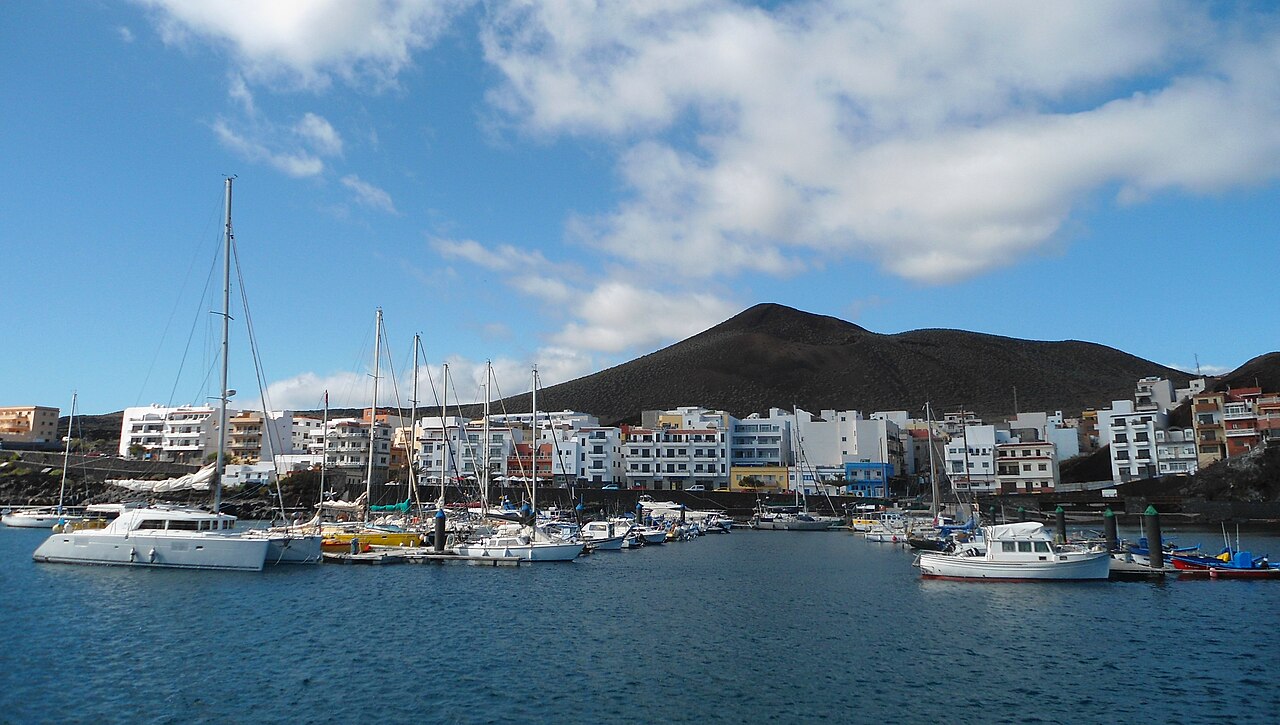
The reported distribution of Saturday’s arrivals shows that El Hierro, one of the smaller islands of the archipelago, was the principal destination. Other vessels reached Gran Canaria and Tenerife. This uneven distribution helps explain why an increase in arrivals can be particularly demanding for individual islands even when broader national or yearly totals tell a different story.
- 1,488 people were rescued on Saturday.
- 14 boats were involved in the day’s reported operations.
- 12 boats reached El Hierro, with one reaching Gran Canaria and another Tenerife.
- One boat carried 240 people, including 12 women and 36 children.
- The previous comparable daily figure was 1,461 people on 7 November 2020.
Authorities said that the group on the boat carrying 240 people was brought to El Hierro. According to the account published by Reuters, many of the people on that vessel came from Senegal, Gambia and Guinea-Conakry. These details relate to a specified vessel and should not be treated as a complete nationality breakdown for all 1,488 rescued people.
Reception and emergency services face renewed pressure
Arrivals from West African countries have increased since October, according to the report. That recent change has created additional demands for emergency response and reception services, particularly on islands with smaller populations. The available figures establish the size of Saturday’s rescue operations, but do not by themselves establish how many accommodation places remained available or how long each newly arrived person would stay.
Spain’s minister for territorial policy, Ángel Víctor Torres, was scheduled to visit El Hierro on Sunday 15 November to discuss the increase. A scheduled visit is not the same as an announcement of new measures: the reported information does not specify any new funding commitment, transfer programme or additional reception capacity resulting from that meeting. Those possible outcomes will require separate confirmation.
The Atlantic route remains a difficult crossing
The journey from the western coast of Africa to the Canaries requires boats to travel long distances across the Atlantic. Unpredictable conditions, currents and overcrowding can make the crossing extremely hazardous. The new figures concern people who reached rescue services and do not measure every attempted journey or the full human consequences along the route.
Reuters noted that crossings commonly rise during the autumn period, when sea conditions on parts of the route may be more favourable. That seasonal pattern helps provide context for the increase since October, but it does not establish that weather alone caused the latest arrivals. The reporting does not give individual reasons for the journeys or the circumstances faced by each person before departure.
Annual figures differ from the latest daily increase
Despite the sharp growth in arrivals over recent weeks, the January-to-31-October total for the Canary Islands was 5.5% lower than for the equivalent period in 2025, according to Spanish government data cited by Reuters. This illustrates why a daily record and a year-to-date decline are not contradictory. They refer to different time windows, and an intense surge at the end of the year can coexist with an earlier cumulative fall.
For readers following migration policy, the next important question is how the authorities manage immediate reception needs while assessing the trend over a longer period. Future official updates may help establish whether the November rise continues, eases or changes distribution across the islands. No forecast can be drawn responsibly from this single day’s count.
What remains to be confirmed
- The final validated rescue and arrival totals for subsequent days, after any later revisions by maritime authorities.
- Any decisions or additional reception resources announced following the minister’s scheduled visit to El Hierro.
- Whether the recent increase continues through the remainder of November, rather than representing a short-lived concentration of arrivals.
Source: Reuters