




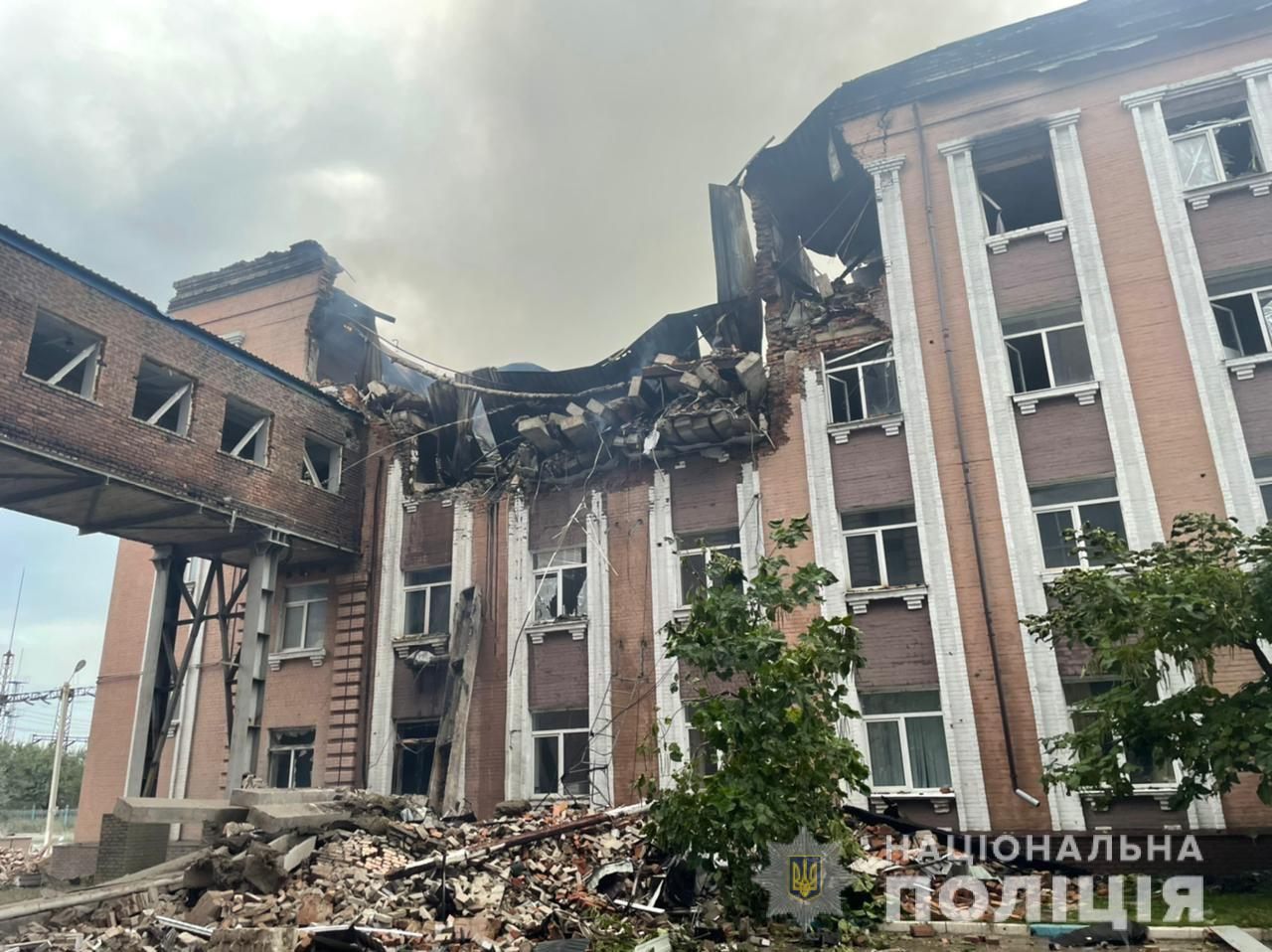
What happened
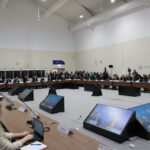
The war in Ukraine has become “worse and more dangerous”, a senior UN official told the Security Council, as reported by UN News on 9 November. Kayoko Gotoh, Director for Europe and Central Asia in the UN political and peace operations departments, said that after nearly five years of war, it is increasingly hard to predict how the conflict will evolve.
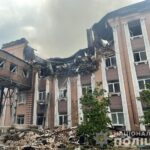
“Millions of Ukrainian civilians remain under constant fire, as the Russian Federation intensifies its attacks on population centres and civilian infrastructure across Ukraine,” she said.
Record civilian casualties
Since the start of Russia's full-scale invasion, the UN human rights office (OHCHR) has verified:
– at least 17,968 civilians killed, including 874 children;
– at least 57,713 civilians injured, including 3,504 children.
Ms. Gotoh also said the Secretary-General was concerned about continued reports of civilian casualties and damage to civilian infrastructure inside Russia.
Energy, nuclear safety and the Black Sea
With winter approaching fast, intensified Russian attacks on Ukraine's vital energy facilities are of grave concern, Ms. Gotoh said, warning that they also put the safe operation of the country's nuclear facilities at risk. She added that incidents in the Black Sea affecting commercial shipping continue to weigh on global food security.
She welcomed the diplomatic efforts led by the United States and other regional initiatives, and repeated the Secretary-General's call for an immediate, full and unconditional ceasefire.
The humanitarian situation
Mohammed Yahya, Assistant Secretary-General for Humanitarian Affairs, said the humanitarian situation had been deteriorating for months. “As winter sets in, any loss of electricity, heating or water puts more lives at risk,” he said.
He described a humanitarian pause in the Russian-occupied town of Oleshky, which gave civilians “a measure of safety”. The UN was not a party to the arrangement but followed it closely. He noted a sharp rise this year in attacks on aid workers and made three demands: protect civilians and the infrastructure they rely on; allow safe, unimpeded humanitarian access; and build on the Oleshky opportunity so that aid can pass and civilians can move voluntarily to safer areas.
What remains to be confirmed
This article relies on a single source, UN News in Arabic. The source does not give the exact date of the Security Council meeting, and casualty figures verified by the UN are considered minimums.