







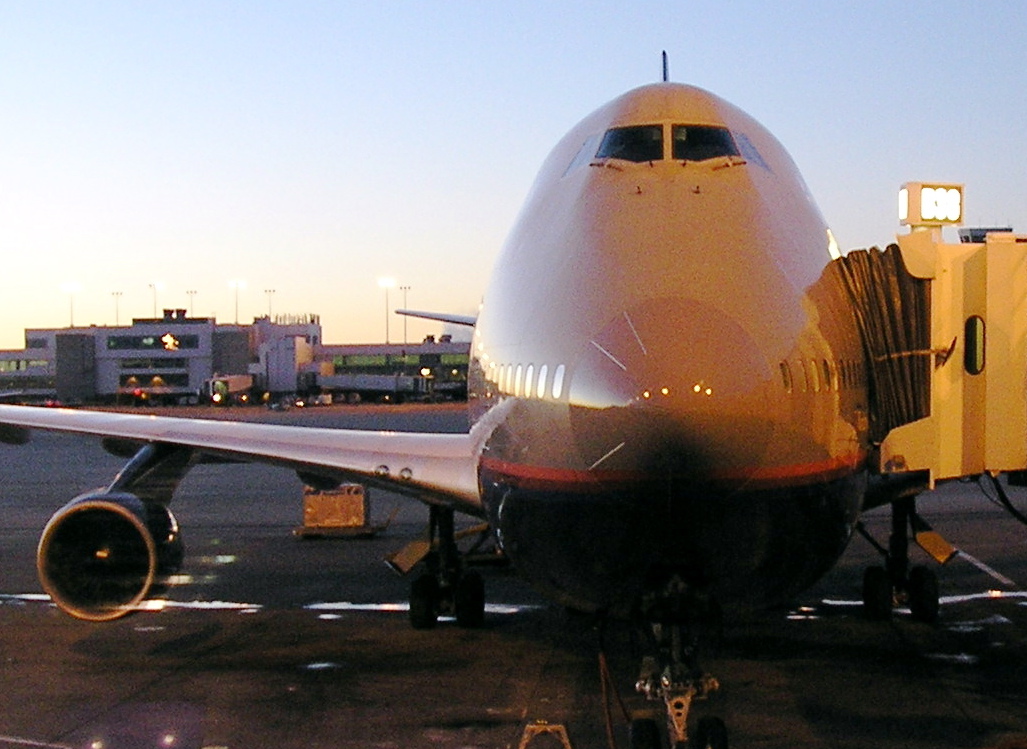
The United States Federal Aviation Administration (FAA) ordered a rare nationwide halt to departing flights on Friday, November 13, 2026, after a major communications failure disrupted air traffic control centers. Homeland Security officials said there was no indication of a terrorist threat or malicious cyberattack, although investigators had not yet established the definitive cause.
Nationwide ground stop brings US departures to a halt
Aviation authorities took the extraordinary step of suspending departures across the United States shortly before 4 p.m. Eastern Time on Friday. The FAA cited exceptional circumstances and safety concerns after serious telecommunications problems disrupted multiple Air Route Traffic Control Centers, which coordinate aircraft as they move through US airspace.
The instruction meant aircraft waiting to depart should remain on the ground. It did not mean every aircraft already airborne was immediately ordered to land. Existing flights were generally allowed to continue under air traffic control procedures, while international arrivals and other exceptional movements were evaluated case by case.
Transportation Secretary Sean Duffy said FAA technicians were investigating the failure. Officials emphasized that the purpose of the stop was to protect passengers and crews while controllers restored dependable communication links.
Authorities: no indication of an attack against the United States
Homeland Security Secretary Markwayne Mullin said investigators had, at the time of his remarks, found no indication that the disruption resulted from a malicious cyberattack. Officials also said there was no evidence at that stage of a terrorist incident and that aircraft were accounted for.
Those statements describe the evidence available during an active investigation; they are not a guarantee that every possible explanation has already been excluded. Authorities characterized the immediate technical problem as a telecommunications failure rather than a confirmed act of sabotage.
What went wrong with air traffic control communications?
The Federal Aviation Administration relies on communications links among its regional air traffic control centers and the aircraft, towers and approach facilities they coordinate. When critical links cannot be trusted, controllers may be unable to manage complex traffic flows with the redundancy required for safe operations. Temporarily stopping departures reduces workload and helps prevent new aircraft from entering an already disrupted system.
Early reporting described communications issues affecting all of the country’s Air Route Traffic Control Centers. Technicians were working to isolate the fault, but the exact technical mechanism had not been confirmed in the information available for this report. It would therefore be premature to blame a particular software product, contractor or outside actor.
Airlines and passengers face major disruption
The impact spread immediately across US airports. Passengers reported prolonged waits at gates and on aircraft, missed connections and uncertainty about scheduled departures. Airlines had to reorganize aircraft rotations, flight crews and airport assignments while dealing with delays and cancellations.
The consequences can extend well beyond the initial suspension. Once departures resume, aircraft and crews may be out of position, gates may be congested and airlines may need hours to rebuild normal schedules. Cargo services, business travel and connecting international itineraries can also be affected.
Associated Press reported that at least 600 flights had been diverted by early Friday evening, while thousands of scheduled departures faced disruption. Such figures are snapshots taken during a developing event and should not be treated as final totals.
International ripple effects: Canada, Europe and Mexico
Although the FAA order directly concerned departures from US airports, airlines and aviation authorities abroad also had to adjust their operations. Canadian airports reported interruptions to flights bound for or arriving from the United States even though Nav Canada said its own air traffic control system was operating normally.
Airports in Toronto and Montreal reported suspensions affecting US routes. European departures destined for the United States were also disrupted, while Mexican airports faced restrictions on scheduled US-bound services. International flights already heading toward US airspace were handled according to their circumstances.
How long will the ground stop last?
The FAA’s initial notice called for departures to remain suspended until further notice. Reporting on Friday evening indicated that the national restriction was scheduled to remain in place until at least 11 p.m. Eastern Time, subject to further decisions by authorities. That scheduled time should not be confused with a confirmed moment of reopening.
As of the updates reviewed for this article, the FAA had not provided a reliable nationwide restoration timetable. Flight statuses can change quickly: travelers should check official FAA advisories and airline notifications before leaving for an airport.
Is the FAA incident linked to Microsoft’s worldwide outage?
The timing of the aviation disruption raised public questions because Microsoft 365 services, including Outlook and Teams, had suffered an unrelated widespread outage beginning the previous day.
However, Homeland Security Secretary Mullin said there was no reason to believe the incidents were connected, and Microsoft likewise said it had no indication that its service disruption was responsible for the air traffic control problems. No demonstrated technical connection had been established in the reporting available at the time of publication.
A rare event in American aviation history
Nationwide ground stops are extremely unusual. In January 2023, a failure involving the Notice to Air Missions (NOTAM) system prompted a temporary nationwide pause in domestic departures and caused widespread delays. The September 11, 2001 attacks also led to a complete national shutdown of air traffic under very different circumstances.
The comparison underscores how unusual this FAA decision was, but it does not suggest that the latest communications failure was caused by a security attack. The authorities described the November 13 measure as a precaution taken in response to the inability to maintain normal communications reliably.
Aviation infrastructure and modernization questions
The disruption is likely to renew scrutiny of the resilience of US air traffic management infrastructure, including its aging communications systems, backups and emergency procedures. Congress previously approved substantial spending to modernize FAA communications technology, while officials have called for further investment to address other infrastructure needs.
An independent technical review could help determine whether the communications failure resulted from equipment, network architecture, software, operational processes or several interacting factors. Until that analysis is completed, claims identifying one precise cause should be treated cautiously.
What should travelers do?
- Check the airline’s app or official website for flight-specific updates before heading to the airport.
- Monitor the FAA and FAA National Airspace System Status for operational notices.
- Keep booking confirmations and receipts for expenses caused by disruptions and review airline policies for available assistance.
- Allow for missed connections and aircraft-repositioning delays even after restrictions are eased.
- Avoid relying on unverified social media claims about attacks, airport closures or exact reopening times.
What happens next?
FAA technicians and federal authorities are investigating what interrupted air traffic control communications and what infrastructure must be restored or secured before normal departure operations can safely resume. A complete public explanation of the failure, and a confirmed recovery timeline, had not been provided in the reports available as of publication.
The most important confirmed points are that the nationwide ground stop was ordered for aviation safety, authorities identified a significant communications failure, and security officials said there was no indication of an attack against the country at that stage. Novora24 will update this report as verified information becomes available.
Sources
- Reuters — FAA orders nationwide ground stop, November 13, 2026
- Associated Press — communications problems and nationwide disruptions
- People — Homeland Security statements about cyberattack concerns
- FAA — official daily air traffic report
Novora24 Newsroom | November 14, 2026. This article describes developments reported on November 13, 2026 and does not assert that a nationwide ground stop remains in effect at the time of reading. Featured photograph is an earlier archival image for illustration only: L. Chang, public domain, via Wikimedia Commons.