









What happened
Morocco's unemployment rate rose to 10.5% in the third quarter of 2026, up from 9.5% in the second quarter, according to figures published on 3 November by the High Commission for Planning (HCP), the national statistics body. The deterioration is concentrated among young people, women and in the countryside, where a difficult agricultural season destroyed tens of thousands of jobs.
Young people first
The figures by age are stark:
– 30.5% of active 15-24 year-olds are unemployed, against 27.2% in the previous quarter;
– 16% among 25-34 year-olds (14.5% in the second quarter);
– 5.8% among 35-44 year-olds;
– 3.5% among people aged 45 and over.
The gap between men and women is also widening: female unemployment reached 16.7% (up 1.9 points), compared with 8.7% for men (up 0.6 points).
173,000 jobs lost in one quarter
According to the HCP, the number of people in work fell by 173,000 over the quarter to 10.47 million, a drop of 1.6%. The losses were mainly rural (148,000 jobs) rather than urban (25,000).
By sector:
– agriculture lost 145,000 jobs (-5.6%), reflecting the end of the agricultural season and the weight of drought;
– services lost 96,000 jobs;
– construction lost 3,000 jobs;
– industry was the only sector to create jobs, with 69,000 more (+4.8%).
Beyond unemployment: underemployment
The HCP also publishes a broader indicator that combines unemployment, underemployment and people available for work but not actively looking. This composite rate of labour underutilisation reached 19.6% (up 0.7 points), or about 2.4 million people. It rises to 44.5% among young people and 28.5% among women, against 17% for men.
Regional disparities are wide. As reported by the press, the rate reaches 38.7% in Guelmim-Oued Noun, 28.3% in the Oriental and 27.4% in Laâyoune-Sakia El Hamra, but only 9.2% in Dakhla-Oued Eddahab.
Fewer people in the labour market
The labour-force participation rate fell to 41.8% from 42.2% in the second quarter. The gap between the sexes remains among the widest in the region: 65.6% of men are active, compared with only 18.1% of women.
A new survey, to be read with caution
The HCP stresses that these figures come from a new labour force survey (EMO), conducted with about 135,000 households a year, which replaced the former national employment survey. The results are therefore not directly comparable with the old series. The institution also points to seasonal effects typical of the third quarter, when agricultural work slows down.
The government's response
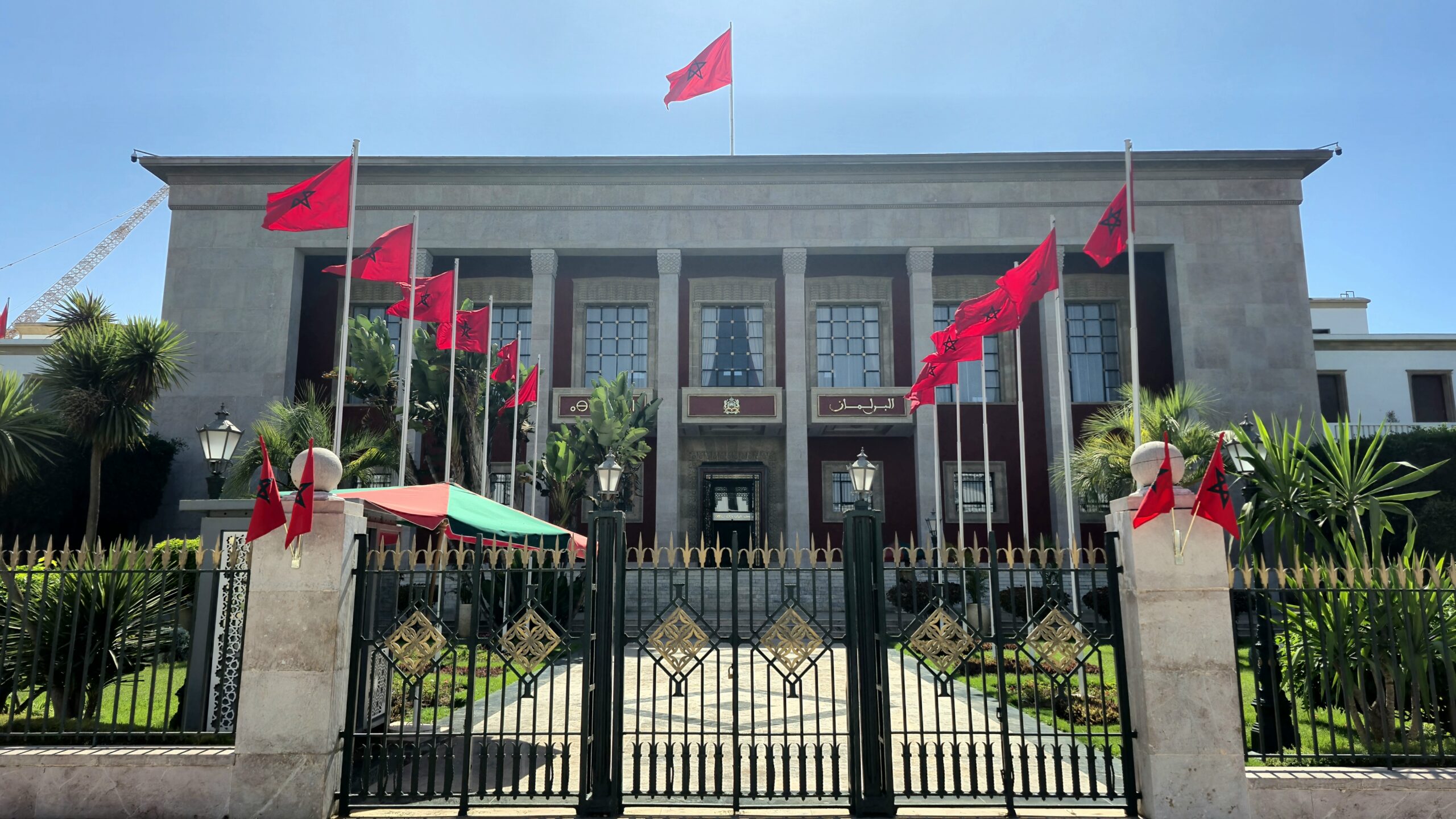
The figures come as Parliament examines the 2027 finance bill. According to La Vie éco, it includes a youth employment programme of about 6 billion dirhams, which plans in particular to train 100,000 young people a year, take on 150,000 to 200,000 apprentices, offer 100,000 short « Compétences 2030 » training courses, finance 100,000 first employment contracts and support 16,000 projects by young people in rural areas. A permanent national commission chaired by the head of government would oversee it. Interviewed by Challenge, consultant Anouar El Basrhiri (TMS Consulting) believes that the quality of the jobs created will matter as much as their number.
What remains to be confirmed
- The detailed regional figures. We relied on press reports for regional rates; the full HCP note should be checked for each region.
- The effect of the new methodology. Part of the change may be linked to the switch to the EMO survey; only the next quarters will show the trend.
- The financing of the youth programme. The amounts are those of the finance bill, which may still be amended by Parliament.
Sources
- Challenge — Emploi : le marché du travail cale au troisième trimestre
- La Vie éco — Insertion des jeunes : que prévoit le programme à 6 MMDH ?
- La Vie éco — Emploi : le taux de chômage strict remonte à 10,5 % au troisième trimestre
- Le Brief — Marché du travail : le chômage remonte à 10,5 % au troisième trimestre
- Haut-Commissariat au Plan (HCP) — Situation du marché du travail au Maroc au troisième trimestre 2026 (EMO 2026)