





What happened
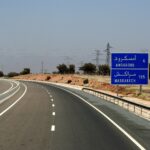
Diphtheria, a disease that had almost disappeared from Morocco, has made a comeback. According to Jaouad Hammou, an official at the Ministry of Health quoted by Le360 on 30 October 2026, 30 cases have been confirmed and 3 deaths recorded, mainly in the Casablanca-Settat and Rabat-Salé-Kénitra regions. Hespress also mentions cases in Souss-Massa and isolated cases in the Oriental, while the site Madar reports 25 suspected cases in the Tanger-Tétouan-Al Hoceima region.
How it started
The first alert came at the end of September. On 28 September, two family clusters were identified in the provinces of Agadir Ida-Outanane and Chtouka Aït Baha: 1 confirmed case, 8 cases under investigation and 2 deaths. According to the health authorities, the children concerned were unvaccinated or incompletely vaccinated.
« No epidemic focus », says the ministry
The Ministry of Health insists that there is no single epidemic focus: the cases are scattered across several regions. Jaouad Hammou also warned against confusion: « not all suspected cases of diphtheria are necessarily confirmed cases », he said, explaining that the surveillance protocol is deliberately very sensitive in order to detect every possible case.
The health protocol
During a webinar for health professionals held on 7 October, the ministry detailed its response, Médias24 reports:
– isolate the patient and notify the case immediately;
– hospitalise suspected cases without waiting for laboratory results;
– classify contacts by level of risk;
– give preventive antibiotics to high-risk contacts and recommend vaccination for all contacts.
Experts also noted that the strain circulating in Morocco is resistant to penicillin G, a commonly used antibiotic, which guides the choice of treatment. The Ministry of Education has asked schools to step up surveillance, check pupils' vaccination status and temporarily exclude a pupil when the health services recommend it.
What is diphtheria?
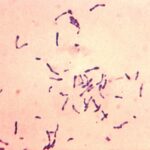
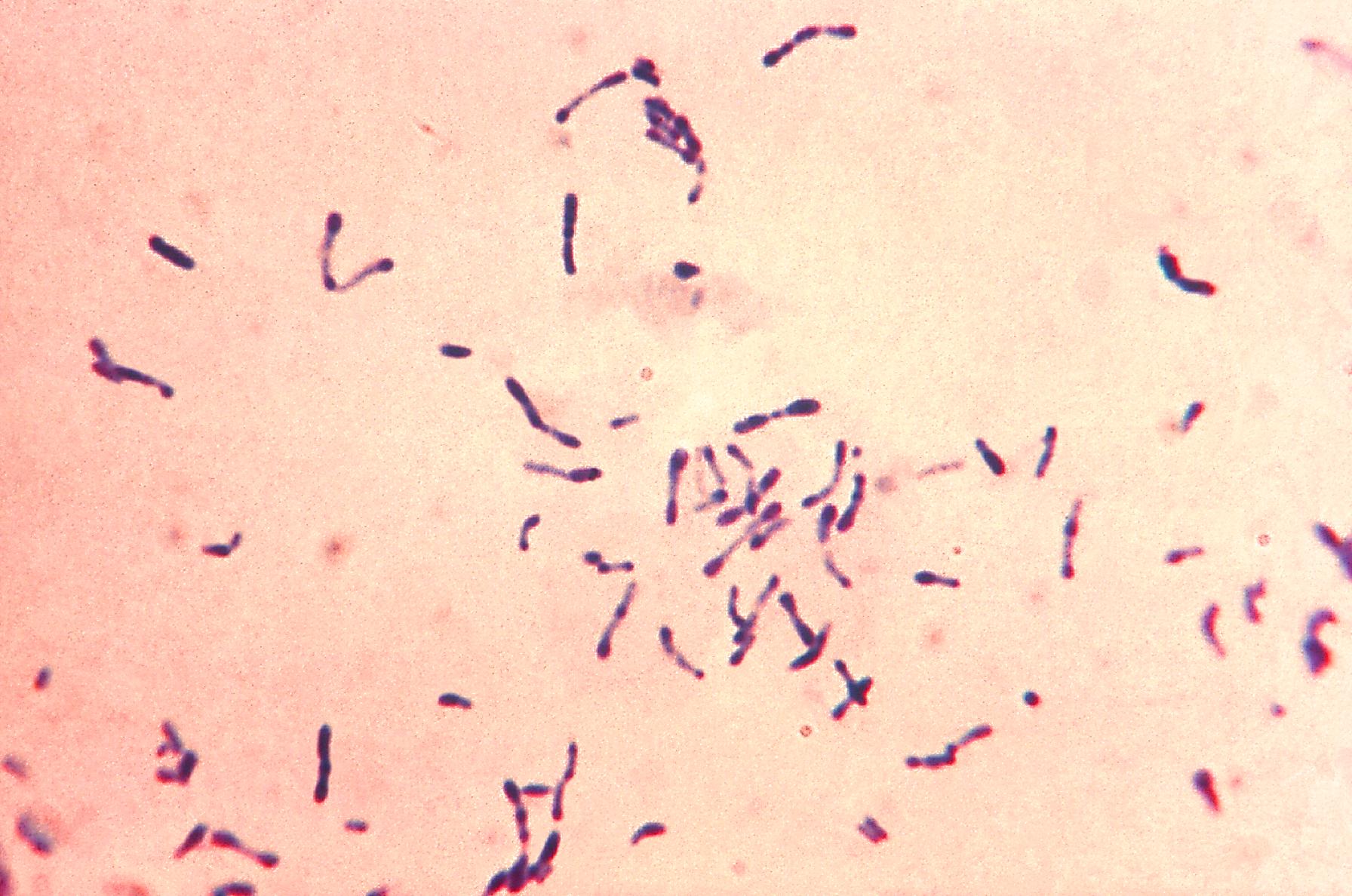
Diphtheria is a bacterial infection that mainly affects the throat and nose. As Dr Tayeb Hamdi, a physician and health policy researcher, explained to Le Brief, it causes a sore throat, fever and a characteristic greyish membrane at the back of the throat that can obstruct breathing. In severe forms, the neck swells (« bull neck »). The toxin produced by the bacterium can damage the heart and nerves.
It spreads through droplets when an infected person coughs or sneezes, and the incubation period is usually 2 to 5 days. Thanks to vaccination, the disease had become very rare in Morocco: Dr Hamdi recalls that 14 cases were recorded in 1989 and only 1 in 1991.
Vaccination, the best protection
Diphtheria vaccination is part of Morocco's national immunisation programme and is free. It is given to infants through the pentavalent vaccine, with boosters (DTP, then Td). Health officials urge parents to check their children's vaccination records and to catch up on any missed doses at a health centre.
What remains to be confirmed
- The current number of cases. The figures date from 30 October; no consolidated update had been published by the ministry in the sources we consulted.
- The suspected cases in the north. The 25 cases reported by Madar are suspected cases and had not been confirmed by laboratory tests.
- The vaccination coverage. Precise data on the share of children not up to date with their vaccines had not been published.
Sources
- Madar — Maroc : une trentaine de cas de diphtérie confirmés, pas de foyer épidémique
- Le Brief — Diphtérie : vaccination, symptômes, transmission, que faut-il savoir ?
- Médias24 — Diphtérie : 30 cas et trois décès confirmés au Maroc
- Hespress FR — Diphtérie : une trentaine de cas confirmés au Maroc, le ministère écarte tout foyer épidémique
- Le360 — Diphtérie : 30 cas confirmés et 3 décès recensés, le ministère de la Santé assure que la situation est maîtrisée