








The US Securities and Exchange Commission (SEC), Wall Street's main regulator, has published its enforcement results for fiscal year 2026, which ended on 30 September — and they show the sharpest pull-back in decades. The agency brought 348 enforcement actions, the lowest number since 1991, according to figures reported by Reuters on 10 November, down from 456 in fiscal 2025.
What the figures show
The financial remedies ordered in SEC cases fell even further. In total, the agency obtained close to $1.1 billion, made up of about $343 million in civil penalties and $752 million in disgorgement of ill-gotten gains. That is the lowest total since 2008, in figures not adjusted for inflation.
The comparison with the previous year is striking but partly misleading: fiscal 2025 showed $17.9 billion in remedies, a figure inflated by a single final judgment in a Ponzi scheme case dating back to 2009. Even setting that case aside, the 2026 total remains very low by historical standards.
- Enforcement actions: 348 in FY2026, against 456 in FY2025
- Total remedies: about $1.1 billion, the lowest since 2008
- Civil penalties: about $343 million
- Disgorgement: about $752 million
The SEC's explanation: "activity is not effectiveness"
The agency's leadership rejects the idea that fewer cases mean weaker oversight. SEC Chairman Paul Atkins said that the number of actions and the amounts recovered "are not the only or most telling measures" of the agency's work, arguing that the SEC is concentrating its resources on fraud that directly harms investors rather than on technical violations.
The enforcement director, David Woodcock, made the same point: "activity and effectiveness are not the same," he said, adding that the division must "do more with less". The phrase reflects a real constraint: the SEC has lost a large number of staff since the start of the current administration, and Woodcock's predecessor as head of enforcement left the post after only six months.
Supporters of this approach, mostly Republicans, have long argued that heavy penalties against listed companies end up punishing their shareholders — the people the SEC is supposed to protect — rather than the executives responsible for misconduct.
Other studies point the same way
Independent research published during the year had already signalled the trend:
- Cornerstone Research counted only five actions against public companies and their subsidiaries in the first half of fiscal 2026, the lowest half-year total in at least 16 years. The firm also noted three cases dismissed under the current administration.
- The Brattle Group counted 92 actions of all types in the first half of the fiscal year, compared with an average of 225 for the same period between fiscal 2018 and fiscal 2025.
A political fight in prospect
The results arrive at a sensitive moment. After the November elections, in which Democrats took back Congress, Senator Elizabeth Warren, one of the SEC's most persistent critics, is expected to play a central role on financial regulation in the Senate from January. She has accused the agency of abandoning its role as a watchdog and of letting fraudsters off the hook.
For investors and companies, the practical question is whether the drop is temporary — linked to staff departures and a change of priorities — or a lasting change in the way US securities law is enforced. Either way, a lower number of cases does not change the rules themselves: insider trading, accounting fraud and misleading disclosures remain illegal, and the statute of limitations allows a future SEC leadership to pursue cases that are not brought today.
What remains to be confirmed
- The detailed breakdown of cases by category, which the SEC usually publishes in its annual enforcement report.
- The agency's staffing level and budget for fiscal 2027.
- Whether Congress, under its new majority, will hold oversight hearings on the SEC's enforcement record.
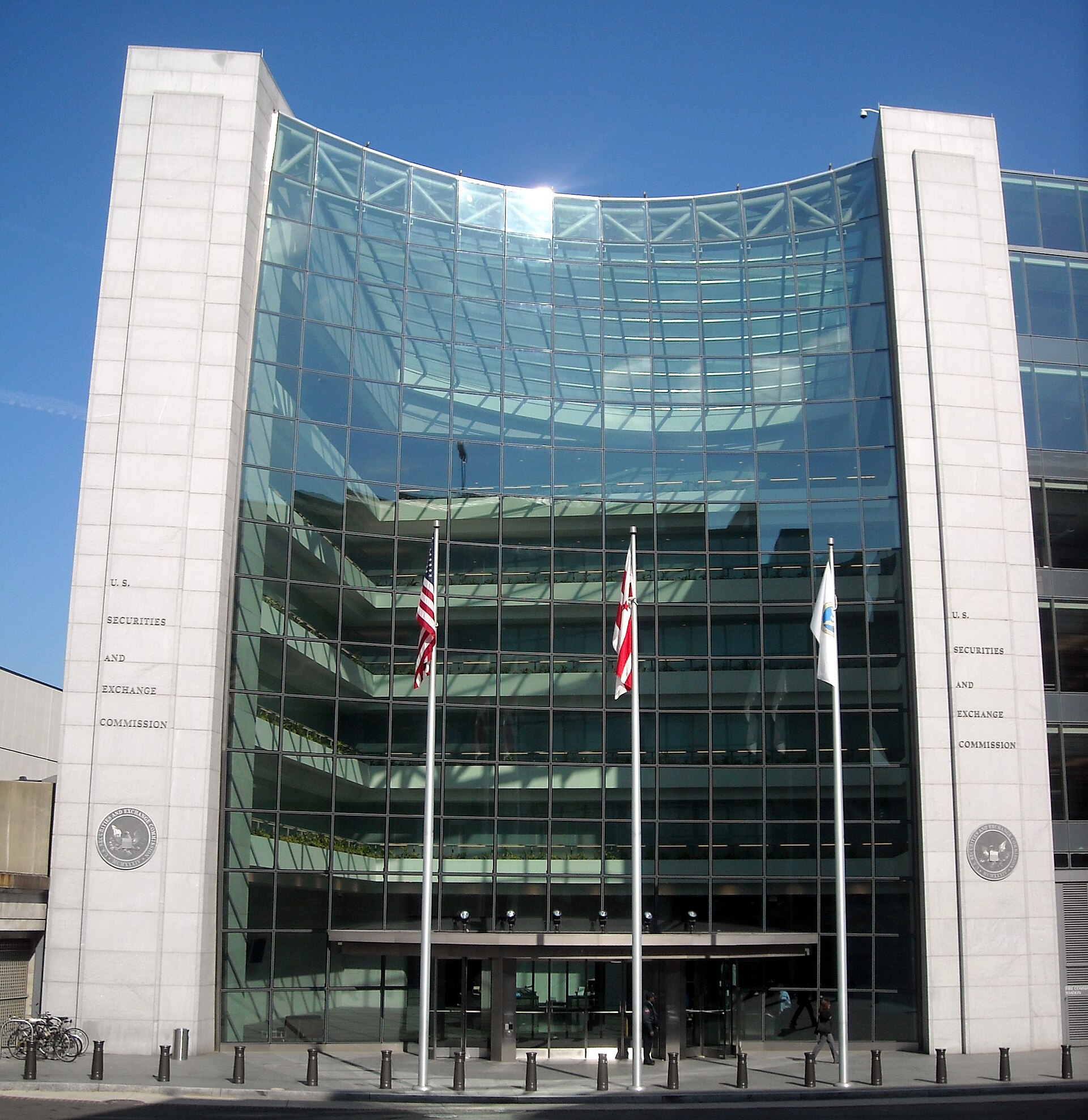
Main image: SEC headquarters in Washington (file photo) — AgnosticPreachersKid, Wikimedia Commons, CC BY-SA 3.0.