




In eastern Democratic Republic of the Congo, the fight against Ebola is now running into a second emergency: the massacres carried out by the Allied Democratic Forces (ADF). A deadly attack on a village near Beni, in North Kivu province, has emptied a hospital that was treating Ebola patients, and the United Nations warned on 13 November that the armed group is now killing more people in the region than the epidemic itself.
What happened in Cantine
The attack took place overnight on the village of Cantine, about 50 kilometres west of the town of Beni, and was reported on 6 November. A local civil society leader, Justin Paluku, told the Associated Press that 33 bodies had been recovered and that more than 50 houses had been set on fire. Another local source, Tchetche Aliamini, said that victims had been shot, burned or killed with machetes.
The administrator of Beni territory, Colonel Charles Omeonga, blamed the ADF, Reuters reported. The assailants also burned a local health post.
The World Health Organization later gave a heavier toll: according to the WHO, the attack on Cantine-Aloya killed 66 civilians, including three health workers. The difference with the first count is common in this region, where bodies are often found days after an attack in the surrounding fields and forest.
A hospital emptied by fear
The impact on health care was immediate. At Kelekele Hospital, its medical director Christian Kakule said that 180 patients fled after the attack — among them people suspected of having Ebola and one confirmed case. Each patient who leaves isolation without follow-up is a potential new chain of transmission and a contact that response teams must trace again.
A few days earlier, on 3 November, the ADF had already looted and burned homes in Maikengu, in Lubero territory, according to the organisation International Christian Concern, causing panic among residents in an area also affected by the epidemic.
"More people killed by the ADF than by Ebola"
Speaking to journalists in Geneva on 13 November, the UN's Senior Ebola Response Coordinator, Julien Harneis, said that the ADF was now killing more people than the virus in the affected areas. The WHO condemned the Cantine-Aloya attack and its impact on health workers.
The scale of the epidemic remains considerable. Chikwe Ihekweazu, who heads the WHO's health emergencies programme, said that 400 to 500 new cases were being recorded each week, with more than 11,000 confirmed cases and more than 5,000 deaths since the outbreak began. Ituri province is the epicentre. Médecins Sans Frontières had already warned that the outbreak remained out of control.
WHO Director-General Tedros Adhanom Ghebreyesus summed up the situation for some communities with a bleak phrase: for people living under the threat of armed groups, Ebola has become "a lesser evil". The World Food Programme, for its part, estimates that about 29 million people in the country face acute food insecurity.
Who are the ADF?
- Origins: an armed group with roots in Uganda, established in eastern DR Congo since the 1990s.
- Allegiance: it pledged allegiance to the Islamic State group in 2019, which presents some of its attacks as those of its "Central Africa Province".
- Previous massacres: in July 2025, an ADF attack killed about 66 people, an event the UN described as a "bloodbath".
- Financing: according to the research group The Sentry, the ADF earns an estimated $1 million to $1.6 million a year from gold.
- Context: around 100 armed groups are active in eastern DR Congo, which makes the protection of health workers and patients extremely difficult.
Why it matters
Controlling Ebola depends on three things: finding cases quickly, isolating them and following up their contacts. Each of these steps requires health workers to move freely and patients to trust the facilities that treat them. Attacks on villages and health posts break that chain: teams suspend their visits, patients hide or flee, and the virus can spread unseen. The UN is calling for better protection of civilians and humanitarian workers so that the response can continue.
What remains to be confirmed
- The final death toll of the Cantine attack, which varies between 33 (first local count) and 66 (WHO).
- What happened to the patients who fled Kelekele Hospital, including the confirmed Ebola case.
- Any new measures announced by the Congolese army or the UN to secure the areas affected by the epidemic.
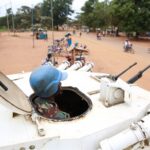
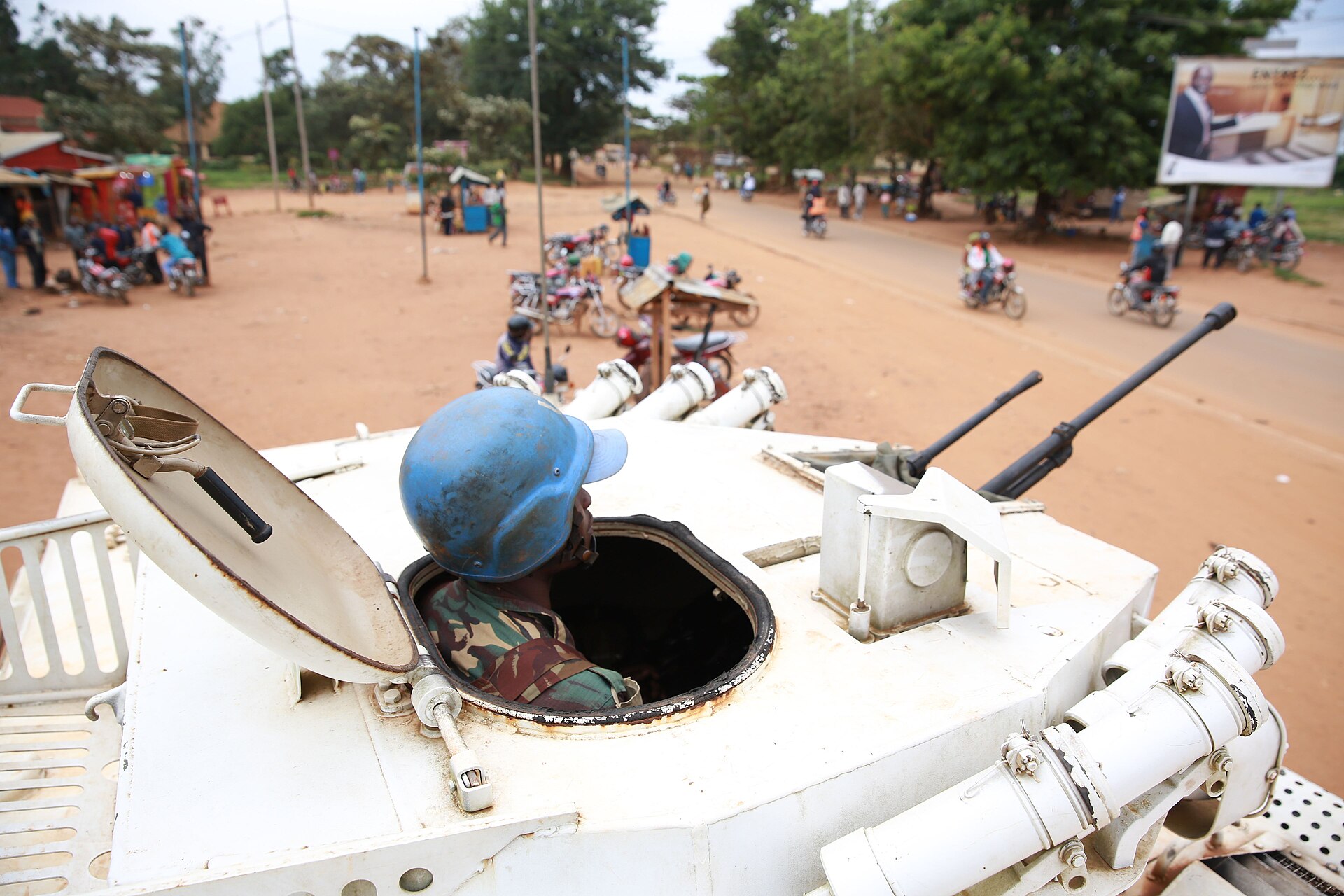
Main image: a UN peacekeeper in Beni, North Kivu, December 2014 (file photo, illustrative) — MONUSCO Photos, Wikimedia Commons, CC BY-SA 2.0.