



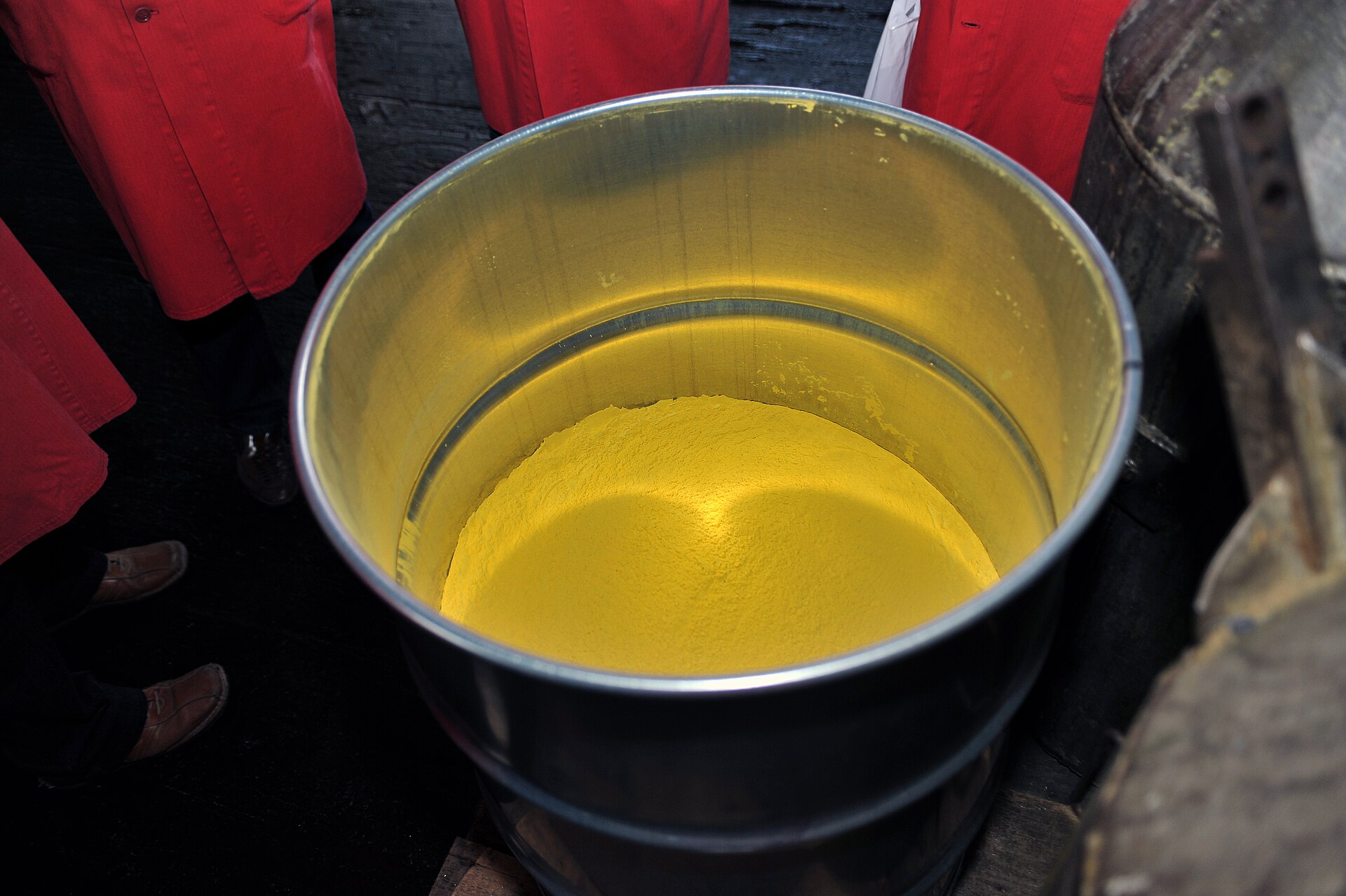
Morocco's state-owned phosphate giant OCP is reportedly negotiating with the French energy companies EDF and Orano over an agreement to produce and supply uranium concentrate to France. The information comes from a report by the French daily Le Monde, relayed on 14 November by Morocco World News. As of this writing, none of the companies has announced an agreement, and the details below are attributed to that report.
What the report says
According to Le Monde:
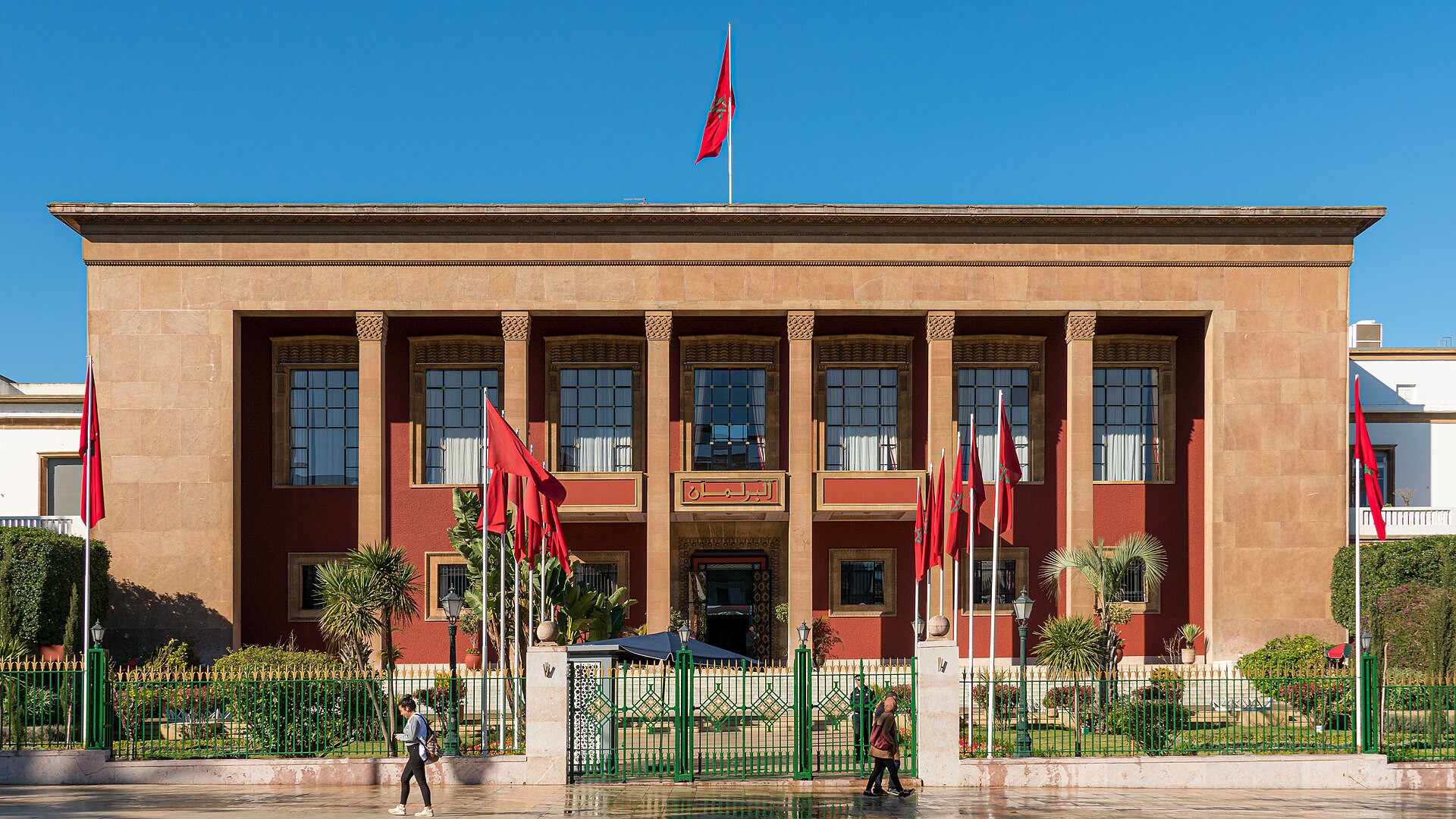
- the three companies could formalise their cooperation through a memorandum of understanding during King Mohammed VI's planned state visit to Paris in January 2027, during which France also hopes to sign its first friendship treaty with Morocco;
- the talks began shortly after French President Emmanuel Macron's visit to Rabat in October 2024, which followed the restoration of relations between the two countries;
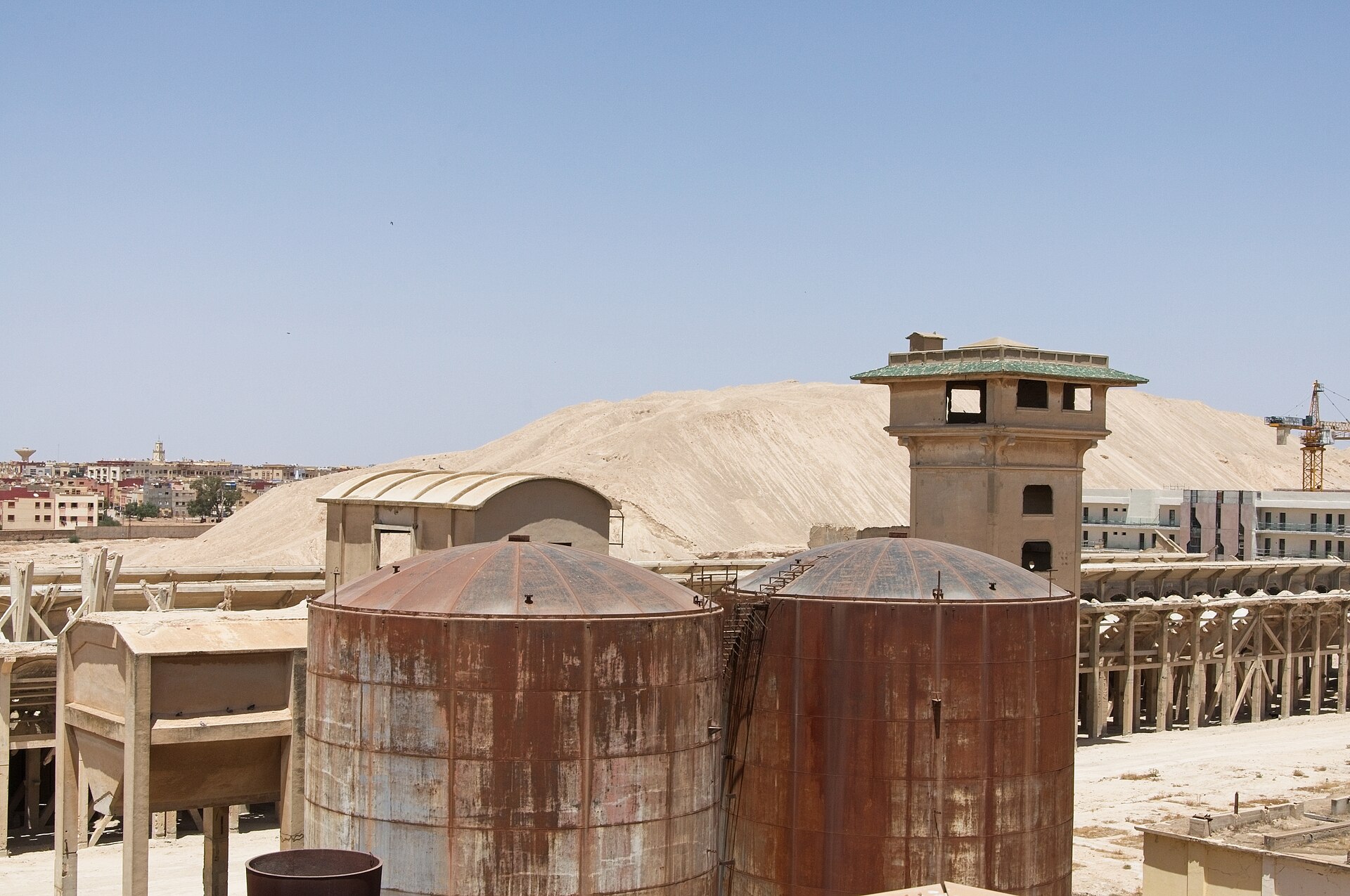
- OCP could begin producing uranium concentrate, commonly called yellowcake, in 2028, at a new facility near Jorf Lasfar, where the group operates a major industrial complex;
- OCP aims to produce enough phosphoric acid to extract uranium in quantities able to supply around 15 nuclear power plants by 2030.
The companies' reactions, as reported: EDF declined to comment on the negotiations, while Orano confirmed that it is pursuing a strategy of diversifying its uranium supply sources.
The French stance of recent days fits the same picture of a closer bilateral relationship: on 13 November, the French foreign minister visited Essaouira and spoke of the prospect of a bilateral treaty with Morocco.
Why uranium from phosphate
Uranium occurs naturally in phosphate rock, and it can be recovered during the production of phosphoric acid. Morocco holds the world's largest phosphate reserves, which is why the idea has long attracted attention: Areva, now Orano, cited estimates from the International Atomic Energy Agency that Moroccan phosphate deposits could contain nearly six million tonnes of uranium, about twice the world's known uranium resources at the time of the 2007 estimate.
Why France is interested
The project could make Morocco a major African uranium supplier to France. According to Le Monde, France currently sources its uranium from Namibia, having ended purchases from Niger after the 2023 military coup and Orano's loss of control over its local operations. For a country whose electricity relies heavily on nuclear power, diversifying suppliers has become a strategic matter, which explains Orano's statement.
Earlier attempts that did not succeed
This is not the first time the idea has come up, and past efforts did not reach production:
- Before independence in 1956, France and the United States had already looked into the resource.
- In 1978, King Hassan II told US President Jimmy Carter about plans to develop uranium extraction with the American firm Westinghouse. The project did not materialise.
- In 2007, during Nicolas Sarkozy's visit, Areva and OCP agreed to cooperate on extraction, but the project never moved forward.
- Morocco later supplied uranium through Belgium's Prayon, in which OCP holds a stake. Over two decades, Prayon recovered nearly 700 tonnes of yellowcake before stopping because of cost: extracting uranium from phosphoric acid then cost nearly three times its market price.
What has changed
Rising uranium prices and improvements in extraction technology have renewed interest. An OCP source told Le Monde that the company's current extraction methods could make production profitable, and described a recent small-scale yellowcake production test as successful. These statements come from an unnamed source and have not been independently verified.
What to retain
- This is a report of negotiations, not an announced deal: the memorandum is described as a possibility for January 2027.
- The calendar (production from 2028, ~15 plants supplied by 2030) is a project target, not a commitment.
- The economics are the key open question: earlier attempts failed on cost, and only the new methods, according to an OCP source, change that.
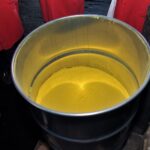
Main image: yellowcake, uranium concentrate (file photo, not from Morocco) — IAEA Imagebank, Wikimedia Commons, CC BY-SA 2.0.