









Two pieces of news about the finances of Morocco's phosphate group OCP came out within a few days: the rating agency Fitch Ratings confirmed OCP's long-term credit rating and then withdrew its ratings at OCP's request, and the group announced it will redeem all its perpetual subordinated bonds on 23 December 2026.
Fitch: rating confirmed, then withdrawn
Fitch affirmed OCP S.A.'s long-term issuer default rating at "BB+" with a stable outlook, according to EcoActu, and then proceeded to withdraw its ratings at OCP's own request. The agency's note was published on Thursday 12 November.
Fitch's analysis, as summarised by EcoActu, draws a distinction between the rating and the underlying quality of the group:
- OCP's overall rating is capped by that of the Moroccan State (BB+/stable), which owns 94% of the group;
- Fitch nonetheless assigns OCP a stand-alone credit profile (SCP) of "bbb-", one notch above the sovereign rating, which places its own performance in the investment-grade category;
- it attributes this resilience to the group's critical size, its leadership in the world phosphate market, the longevity of its mining reserves and its control of production costs.
Costs and debt: the points of attention
The agency notes that the global fertiliser sector is going through an adjustment phase marked by the conflict in the Middle East, which has raised the cost of importing key raw materials such as sulphur and ammonia. Despite this and an ambitious investment programme, Fitch considers that OCP shows a strong capacity to adapt.
Fitch expects a temporary peak of net debt leverage at 4.3x in 2026, reflecting the group's strategic expansion investments, while underlining OCP's financial flexibility, since it can adjust its capital expenditure to market cycles. It forecasts a gradual return to around 3.0x by 2029.
Why withdraw?
The reasons for the withdrawal were not detailed in the sources consulted beyond the fact that it was made at OCP's request. A rating agency withdrawal at the issuer's request is not unusual in itself, but its timing, right after a confirmation, has prompted comment. In an analysis piece, Le360 took a critical view, arguing that the group had chosen to part with an agency rather than hear its diagnosis. That is an opinion, and OCP's own explanation should be read when published.
Perpetual bonds: repayment on 23 December 2026
Separately, OCP announced that it will repay all outstanding bonds of a perpetual subordinated debt issue dating from December 2016, exercising its contractual early-redemption option at the first available date.
- Date: 23 December 2026, exactly ten years after the issue.
- Scope: all outstanding securities across six tranches, A to F.
- Price: the nominal value of 100,000 dirhams per bond, plus interest accrued and payable on the redemption date.
- Process: CDG Capital will coordinate the redemption and settlement with the central depository Maroclear and the institutions holding investors' accounts. Bondholders are advised to contact their custodians.
Perpetual securities have no fixed maturity, but the issuer may keep the right to redeem them under conditions set at issue. OCP's move is therefore the exercise of an existing option, not repayment of debt reaching a mandatory maturity. The bonds are also subordinated: their holders rank below ordinary creditors. The group did not specify the total amount outstanding. The original financing agreement was signed on 8 December 2016 and the securities note was approved by the Capital Market Authority (AMMC) the following day.
What to retain
- Fitch confirmed BB+/stable and rated OCP's own profile bbb- before withdrawing, at OCP's request.
- The agency's baseline expects leverage to peak at 4.3x in 2026 and fall to about 3.0x by 2029.
- OCP will repay all its 2016 perpetual bonds on 23 December 2026; the amount has not been disclosed.
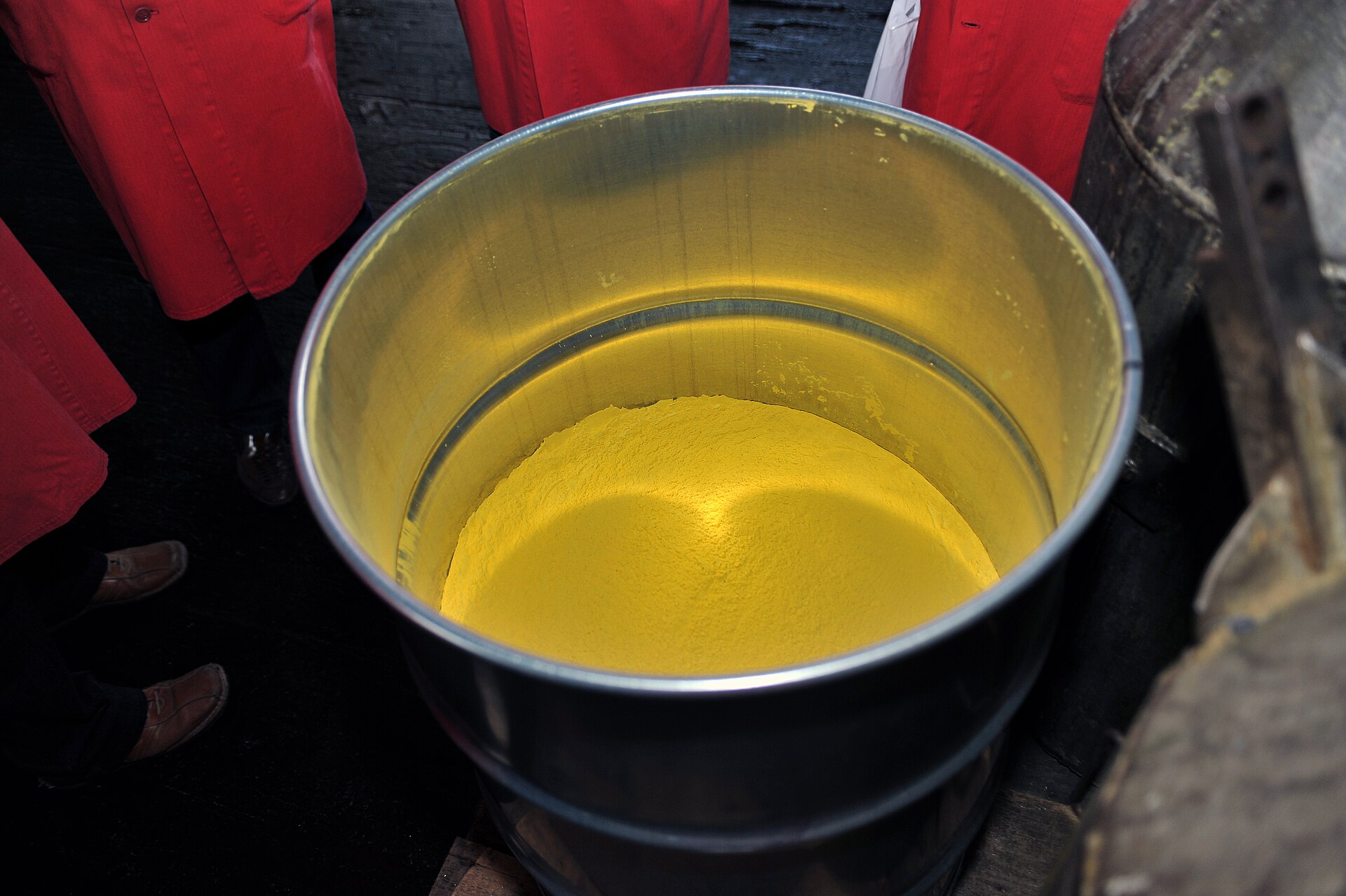
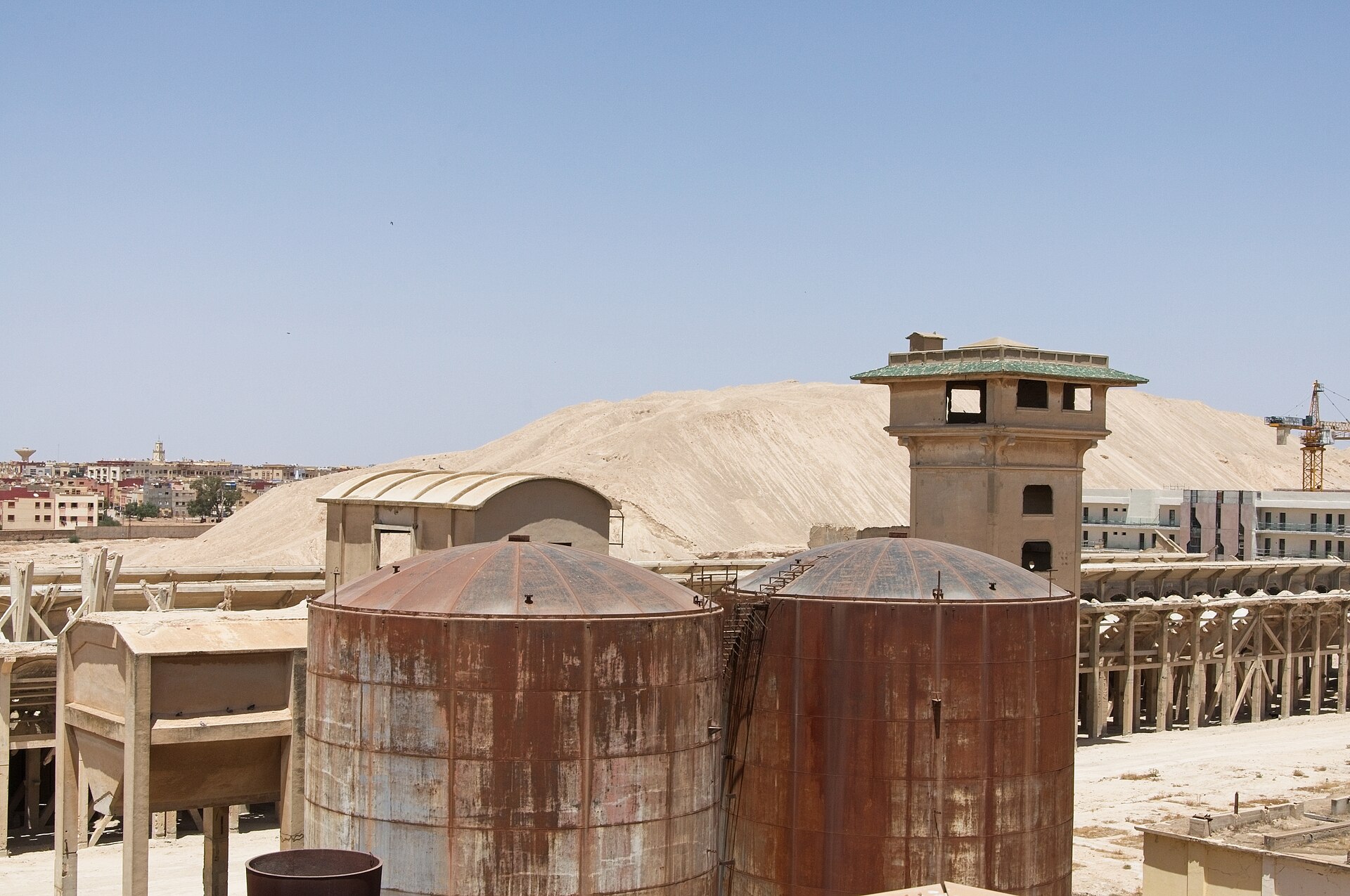
Main image: phosphate site, Khouribga (file photo) — Bertrand Soubeyrand, Wikimedia Commons, CC BY 4.0.