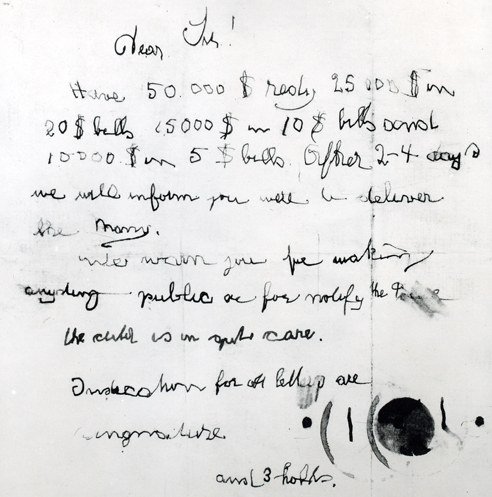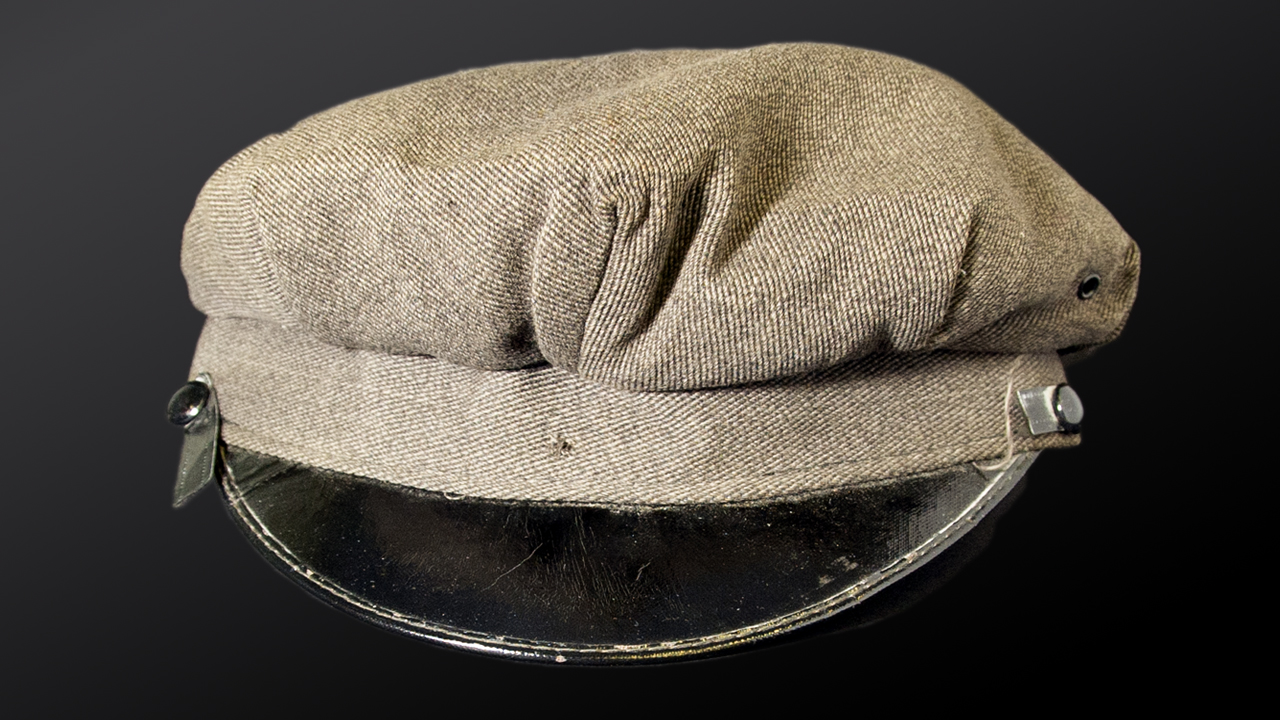










Historical true-crime feature — not breaking news. In June 1962, Frank Morris and brothers John and Clarence Anglin disappeared from Alcatraz, leaving investigators with a question that has fascinated readers for decades: what happened after they left the island?
The story in context
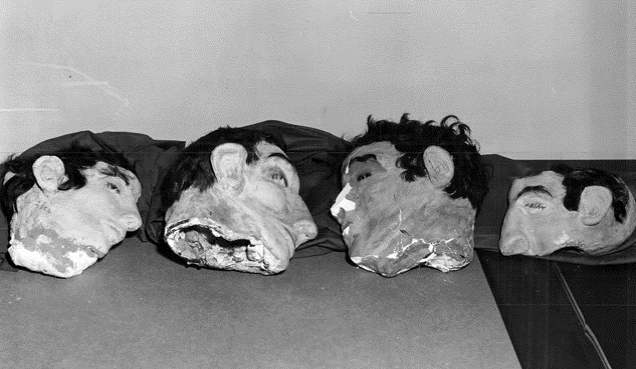
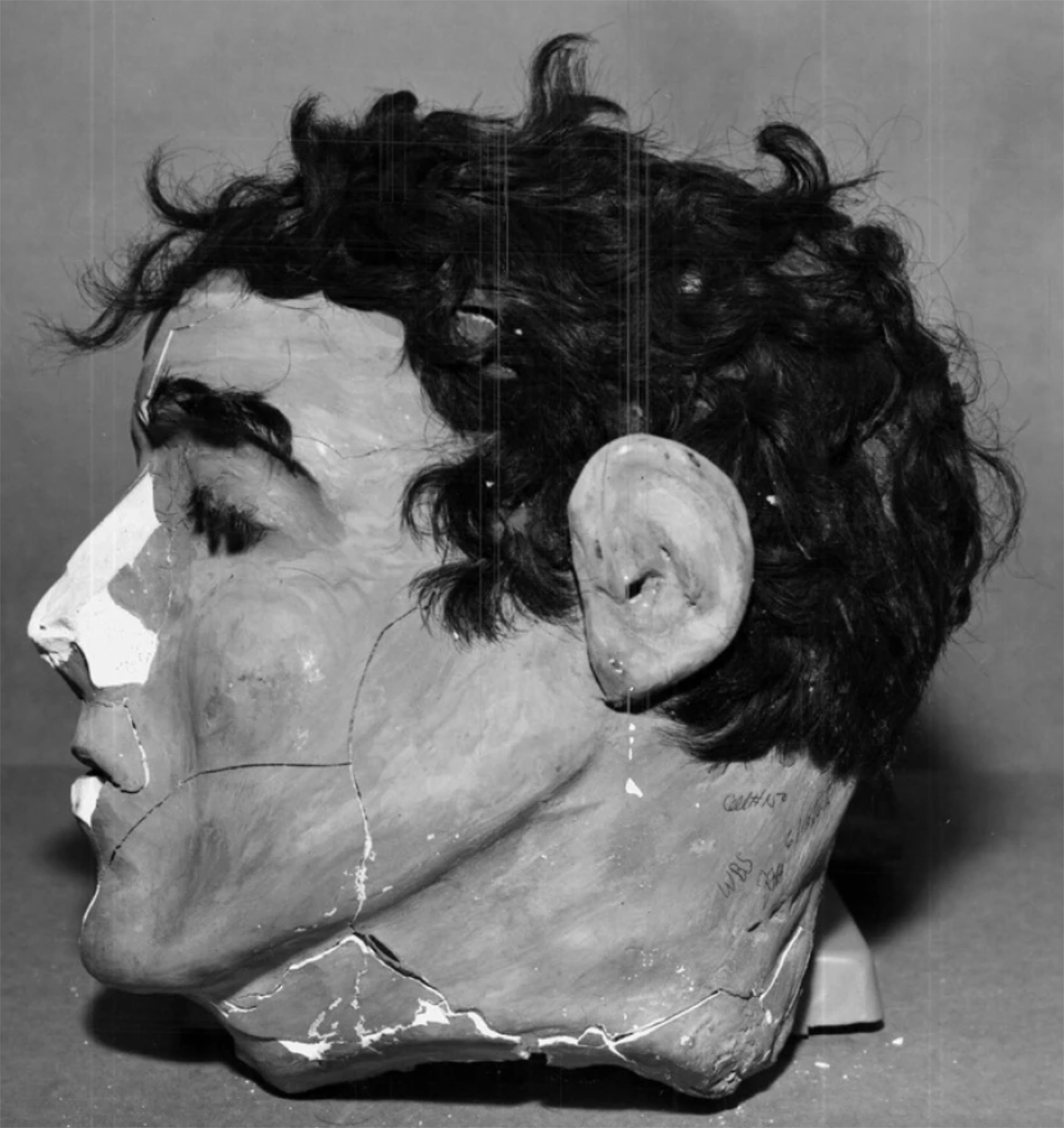
Alcatraz stood in San Francisco Bay and was known for its isolation and high-security reputation. When the prisoners were discovered missing, investigators collected material from their cells, including replica heads used to conceal their absence. These objects are now part of the documentary history of the case.
How the investigation developed
Authorities conducted a substantial search and examined evidence associated with the disappearance. The water surrounding the island and uncertain eyewitness information complicated efforts to reconstruct the men’s fate. Over time, reported sightings and theories attracted attention but did not produce conclusive public proof.
Outcome and unresolved questions
The FBI closed its active investigation in 1979; the U.S. Marshals Service retained responsibility for the fugitive case. The men’s ultimate fate has not been definitively established in the public record. Assertions that they certainly survived—or certainly died—go beyond what the evidence proves.
Why the case still matters
The two photos are real historical evidence of the replica heads, not a demonstration of how to escape a facility. The importance of the case lies in the unresolved investigation and the endurance of an iconic prison story.
Sources and photo credits
Official or historical source. Images are historical photographs or documents, not AI-generated and not graphic. The image at the top is credited in its WordPress media-library entry.