









Historical true-crime feature — not breaking news. The Watergate scandal began with a break-in at Democratic Party offices in Washington, D.C., in June 1972. The resulting investigation eventually reached the White House and transformed American political history.
Historical background
The initial incident drew attention because it involved political offices during a presidential election year. The larger controversy centred on the relationship between the break-in, officials and efforts to obstruct investigation of wrongdoing.
What investigators established
Reporters, investigators, congressional committees and courts pursued different strands of the case. Recordings and testimony became central to establishing what senior officials knew and what actions had followed. Judicial and congressional processes progressively challenged official explanations.
What happened afterward
President Richard Nixon resigned in August 1974 amid impeachment proceedings. Several individuals were convicted in matters related to Watergate and the cover-up. The scandal’s lasting significance extends beyond the original burglary to the institutions tasked with holding political leaders accountable.
Why the story remains important
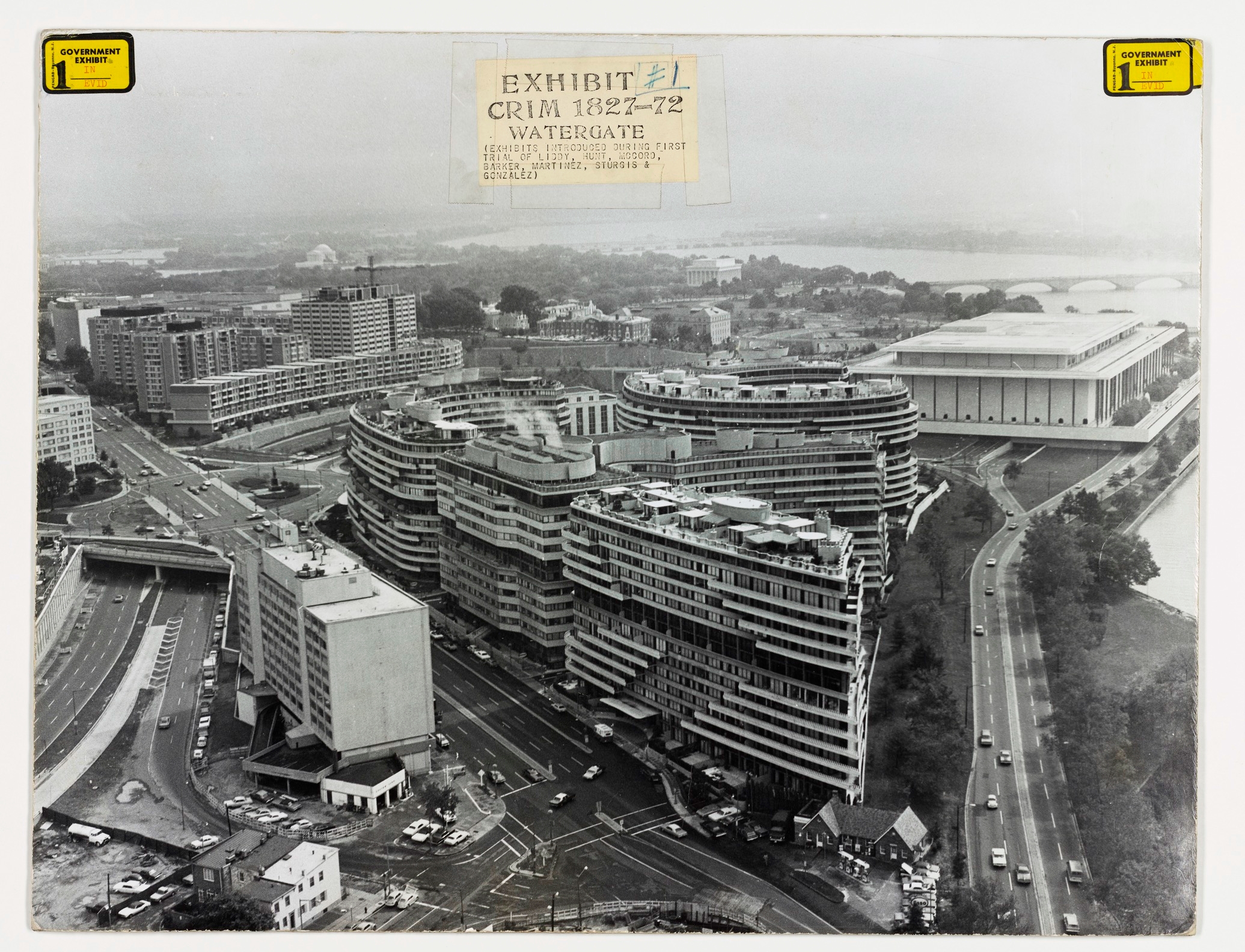
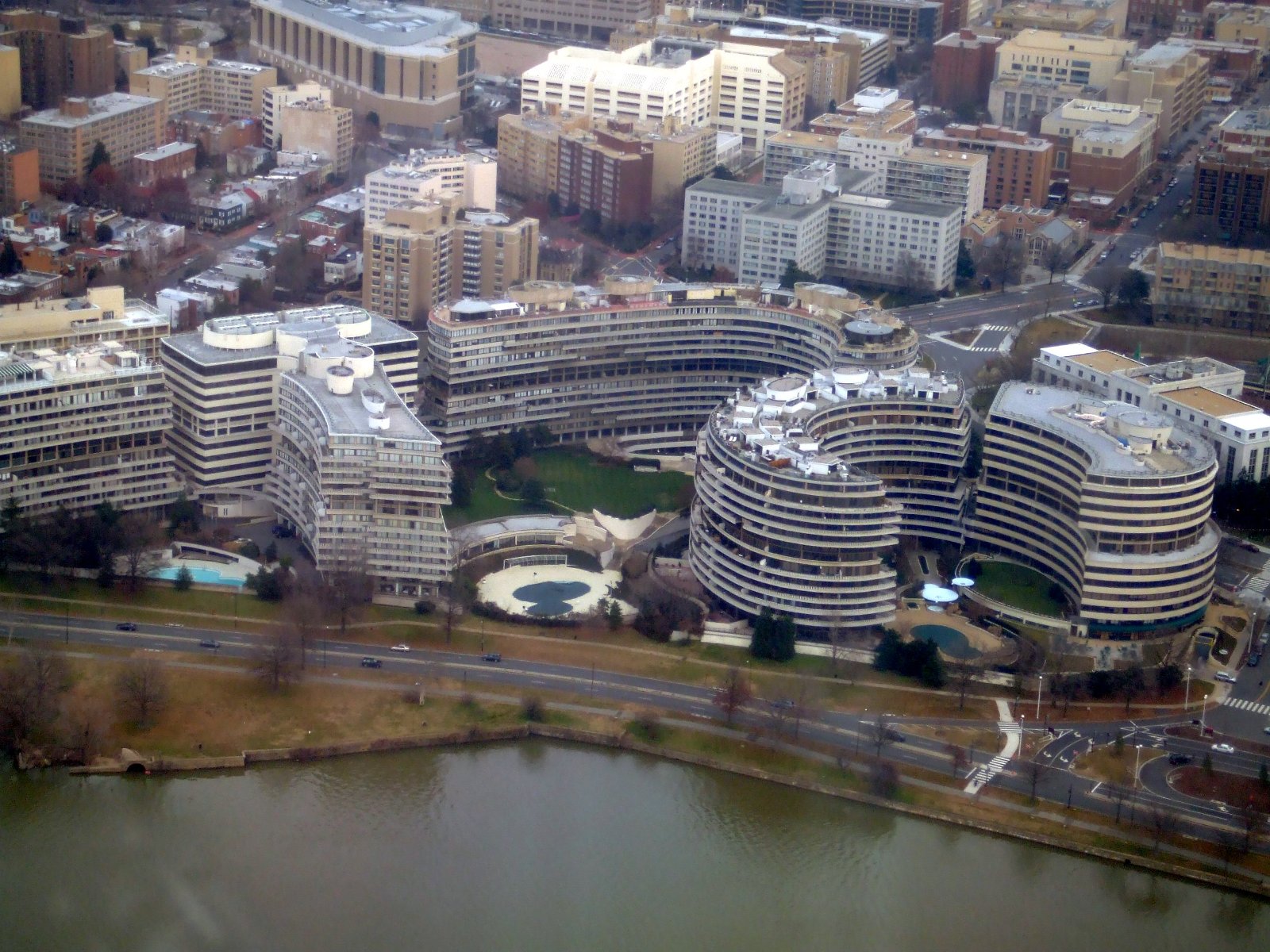
The two images show the real Watergate complex, including a historical government image and a later aerial view. Neither image purports to document the 1972 break-in as it happened.
Sources and image credits
Read the archival or institutional account. Images are historical photos or documents and not generated by AI. Original file and author details are in WordPress media-library metadata.