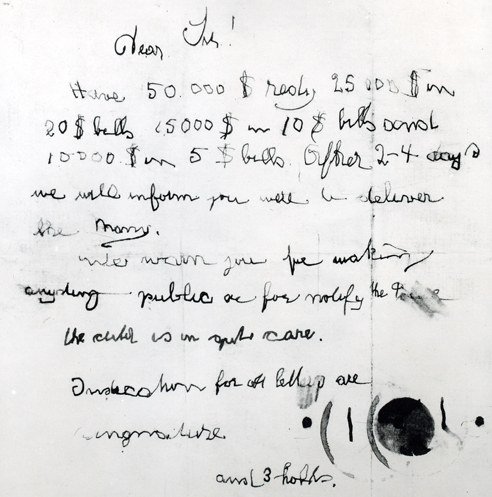








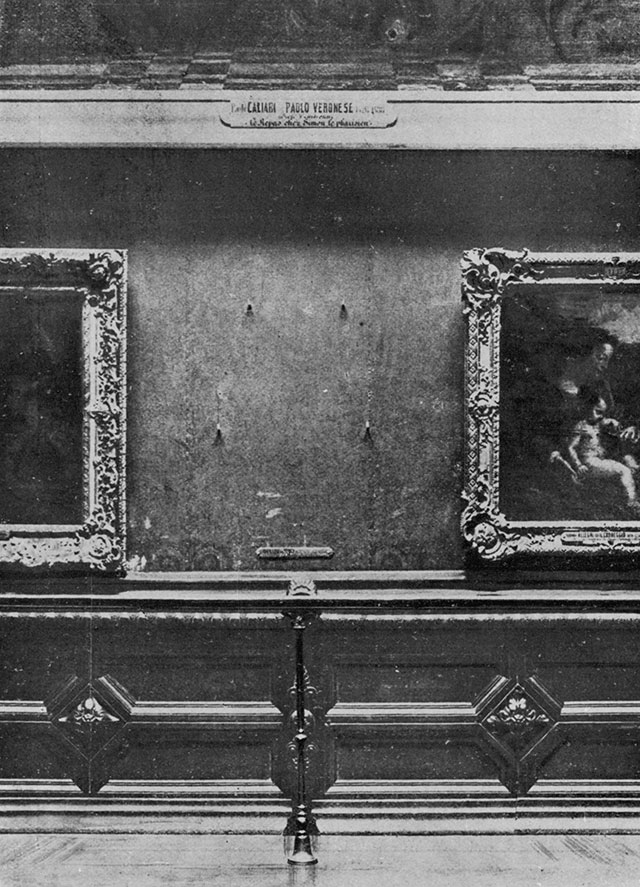
Historical true-crime feature — not breaking news. One morning in August 1911, visitors and staff at the Louvre discovered that Leonardo da Vinci’s Mona Lisa was missing. The disappearance helped make the painting one of the most famous artworks in the world.
Historical background
The museum’s empty display space became an immediate subject of public interest. Newspapers covered the disappearance across borders, turning the missing portrait into an international story. Public speculation exceeded the evidence available to the first investigators.
What investigators established
French authorities questioned people with links to the museum and examined leads during a search that extended beyond Paris. The painting remained missing for more than two years, increasing concerns that it might never be seen again.
What happened afterward
In 1913, the work was recovered in Italy after Vincenzo Peruggia sought to arrange its sale. The portrait returned to France and the Louvre, where it remains a major attraction. The theft became part of the painting’s modern public reputation.
Why the story remains important
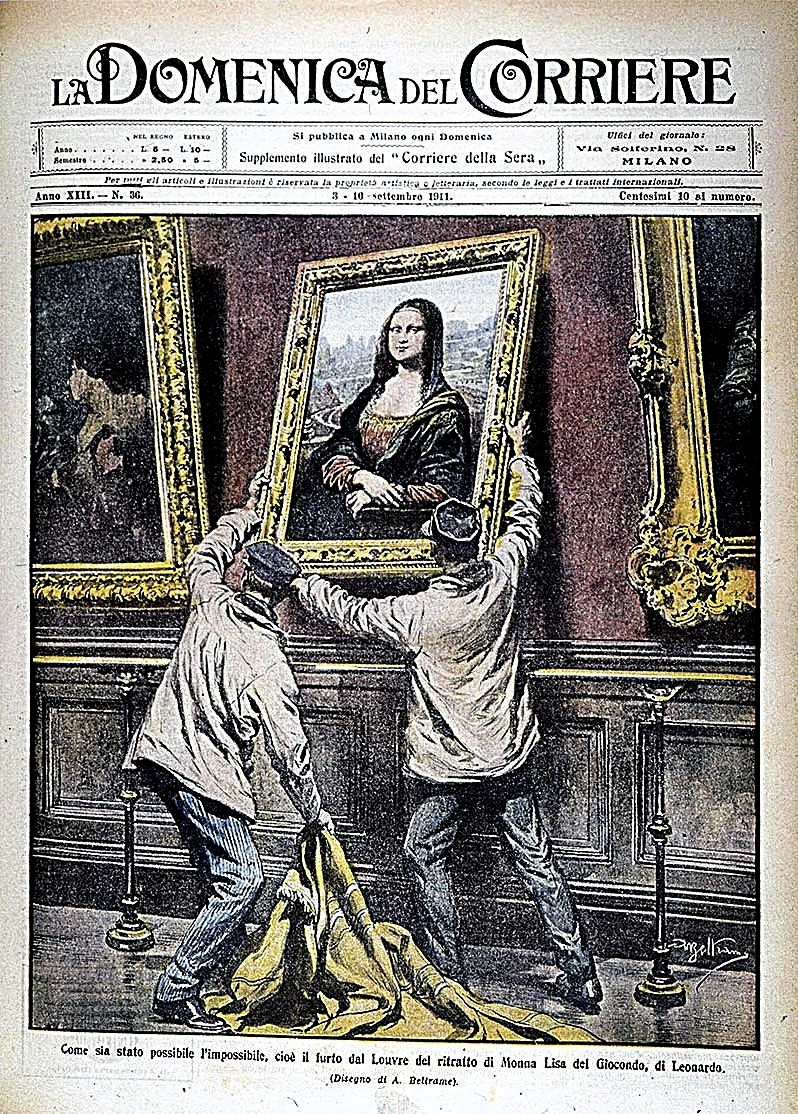
The lead image is a genuine 1911 archival photograph showing the empty area in the Louvre. The second is a contemporary newspaper illustration, clearly an artistic representation rather than a photograph of the act. Both come from public-domain historical material.
Sources and image credits
Read the archival or institutional account. Images are historical photos or documents and not generated by AI. Original file and author details are in WordPress media-library metadata.