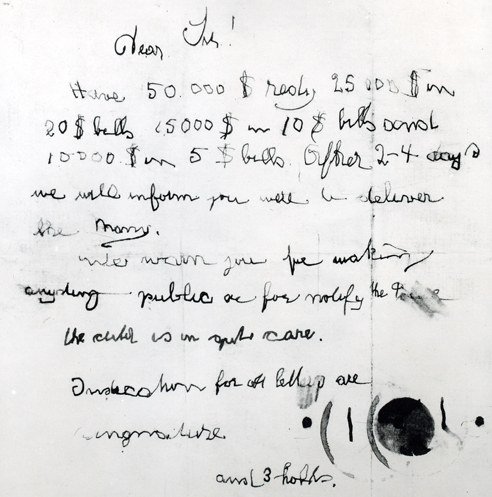











Historical true-crime feature — not breaking news. Frank Sinatra Jr. was kidnapped in December 1963 while beginning his own singing career. The case received enormous attention because of his famous father and the uncertainty surrounding his disappearance.
Historical background
Sinatra Jr. was 19 at the time of the abduction. His family and law-enforcement agencies faced a public crisis while he was missing. The attention reflected both a family’s distress and the degree to which celebrity can shape coverage of crime.
What investigators established
The FBI investigated the incident and the people involved. Following the young singer’s safe return, investigators continued to establish responsibility. The resulting case highlighted how police work, witnesses and documentary evidence could resolve a highly publicised abduction.

What happened afterward
Several men were convicted in connection with the kidnapping. Sinatra Jr. went on to a long musical career. The crime remained an unusual chapter in the family’s public history, but the outcome was not the tragedy feared when the disappearance was first reported.
Why the story remains important
The primary image shows the singer at a much later public event, rather than during his disappearance. A contextual FBI headquarters photograph accompanies it. Both are clearly labelled to avoid presenting an unrelated photograph as evidence.
Sources and image credits
Read the archival or institutional account. Images are historical photos or documents and not generated by AI. Original file and author details are in WordPress media-library metadata.