



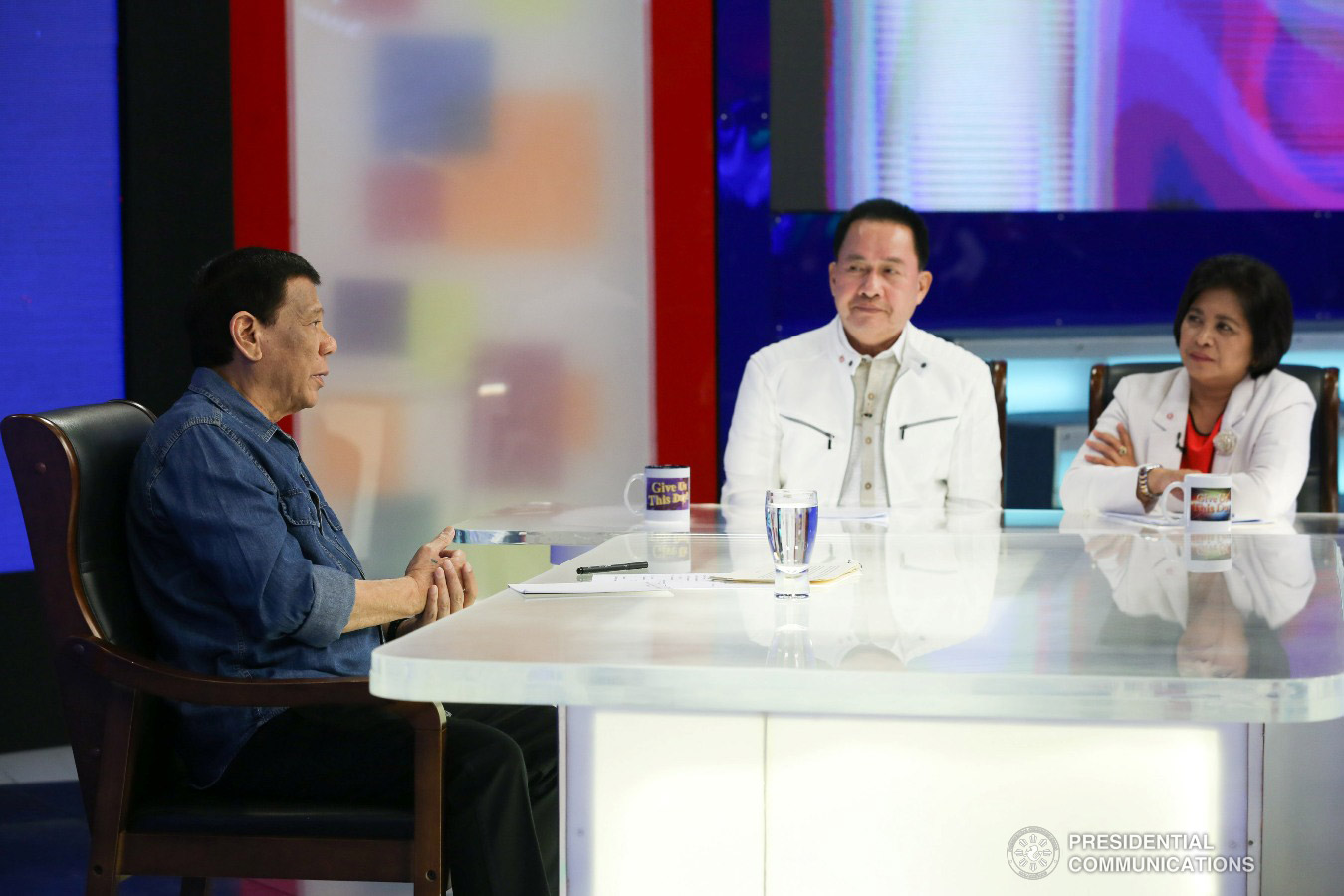
The Philippine justice system has taken a first formal step towards the possible extradition of Apollo Quiboloy to the United States. A Makati Regional Trial Court (Branch 145) issued on Thursday 12 November arrest warrants and hold departure orders against the televangelist and two of his co-accused, who are wanted by US prosecutors for sex trafficking.
What the court decided
The case began with a petition filed by the Department of Justice (DOJ) on 9 November. The court found probable cause under Section 4, Rule 2 of the Rules on Extradition Proceedings and issued orders targeting three people:
- Apollo Quiboloy, founder of the Kingdom of Jesus Christ (KOJC) church, in his mid-seventies;
- Teresita Tolibas Dandan;
- Helen Panilag.
The two women are still at large. The hold departure orders are intended to "prevent any attempt by each of them to depart from the Philippines", DOJ spokesman Polo Martinez said. He added that Quiboloy's transfer of custody would be "subject to the appropriate court orders".
The US charges
In November 2021, a federal grand jury in the Central District of California indicted Quiboloy and several associates. The charges include:
- conspiracy to engage in sex trafficking by force, fraud and coercion;
- sex trafficking of children;
- bulk cash smuggling.
US prosecutors allege that young women were recruited to work as personal assistants to the preacher and forced to have sex with him. Quiboloy denies all the accusations and says the cases against him are politically motivated. He has pleaded not guilty.
Already detained in the Philippines
Quiboloy was arrested in September 2024 at the KOJC compound in Davao City after a lengthy police operation. He has been held since November 2024 at the Pasig City Jail, without bail.
In the Philippines he faces several cases:
- a trial in Pasig for qualified human trafficking, in which the prosecution has rested its case;
- child abuse and sexual abuse cases in Quezon City.
The DOJ had previously indicated that he should first answer the local charges. It is still unclear how the extradition proceedings will fit with these trials.
What happens next
Under the extradition procedure, the warrant must be served and the accused summoned. They will then have 15 days to file a verified answer, before hearings begin. According to Chief State Counsel Dennis Chan, any appeal will go directly to the Court of Appeals. The head of the National Bureau of Investigation, Melvin Matibag, said his agency was ready to coordinate the operation.
How extradition works
Extradition between the two countries is governed by a treaty signed in 1994. An extradition hearing is not a trial: the Philippine court does not decide whether Quiboloy is guilty, but only whether the legal conditions for surrendering him to the United States are met, including whether the alleged offences are also crimes under Philippine law. The final decision can still be challenged, which may take months.
A politically sensitive figure
Quiboloy is known as a close ally and former spiritual adviser to ex-president Rodrigo Duterte. In 2025 he ran for the Senate from his cell, winning about 5.6 million votes, which was not enough to be elected.
Senator Risa Hontiveros, who led a Senate investigation into the KOJC, welcomed the court's decision.
What remains to be confirmed
- When and how the warrant will be served on Quiboloy, who is already in detention.
- Whether he will be extradited before or after the end of his trials in the Philippines.
- The whereabouts of Teresita Tolibas Dandan and Helen Panilag.
- The defence's response and any appeal.
Main image: Rodrigo Duterte and Apollo Quiboloy, Davao City, 7 June 2019 (file photo) — Albert Alcain / PCOO, Wikimedia Commons, public domain.
Sources
- Philstar — Makati court issues extradition warrant vs Quiboloy, co-accused on US charges
- Free Malaysia Today (AFP) — Philippine court takes step towards preacher's US extradition
- Daily Tribune — Quiboloy's custody uncertain as Makati court issues US extradition warrant
- The Manila Times — Court orders arrest, travel bans for Quiboloy, 2 associates in US extradition case