









Historical true-crime feature — not breaking news. Al Capone became a symbol of organised crime in Prohibition-era Chicago, but his most consequential conviction came from federal tax charges rather than a sensational gangland trial.
The story in context
During the 1920s, Capone built a powerful reputation linked to illicit alcohol operations and violence in Chicago. His name became internationally familiar as newspapers chronicled rivalry among criminal groups and the authorities’ attempts to hold their leaders accountable.
How the investigation developed
Federal investigators approached the case from a different angle: the government argued that Capone had received taxable income and had not properly declared it. In 1931 he was convicted of tax evasion. The case showed that financial records could provide decisive evidence even when witnesses to other activities were reluctant or unavailable.

Outcome and unresolved questions
Capone received a prison sentence and served time in federal custody, including Alcatraz. He was released in 1939 and died in 1947. Although popular culture frequently glamorises his image, the historical record also reflects the costs borne by residents and victims of organised criminal activity.
Why the case still matters
The case remains a landmark example of how financial accountability can be central to law enforcement. It is also a reminder to separate verified convictions from the many stories and legends attached to notorious figures.
Sources and photo credits
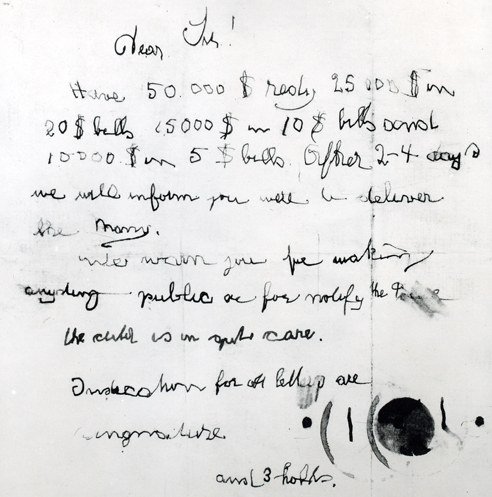
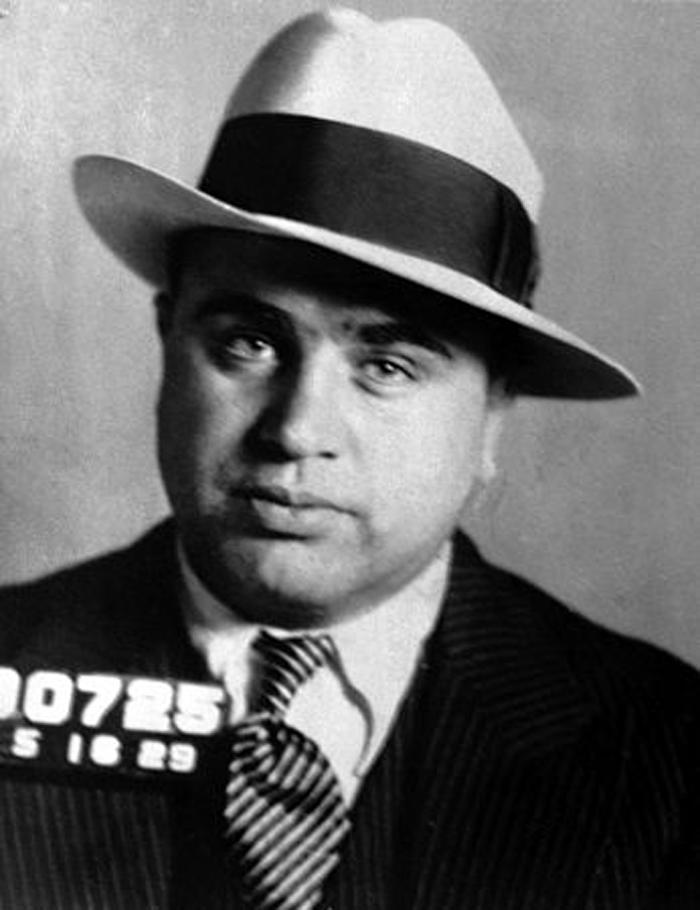
Official or historical source. Images are historical photographs or documents, not AI-generated and not graphic. The image at the top is credited in its WordPress media-library entry.