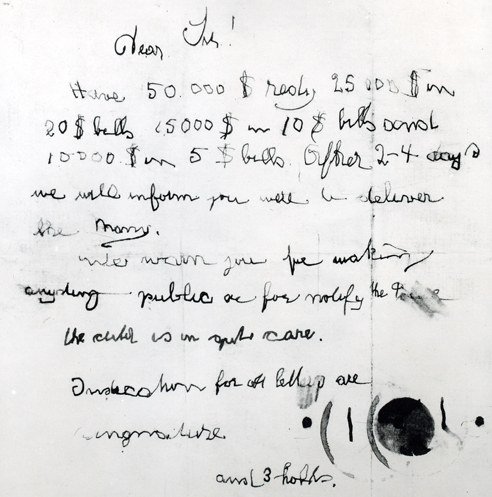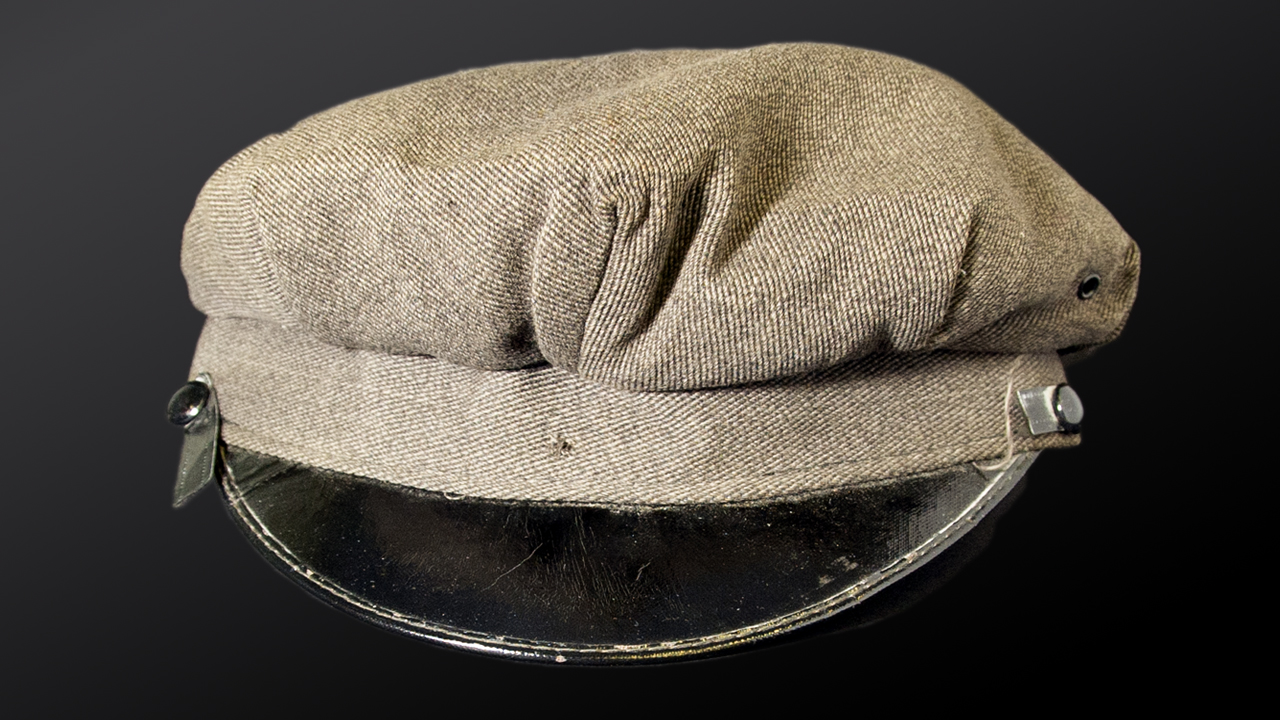






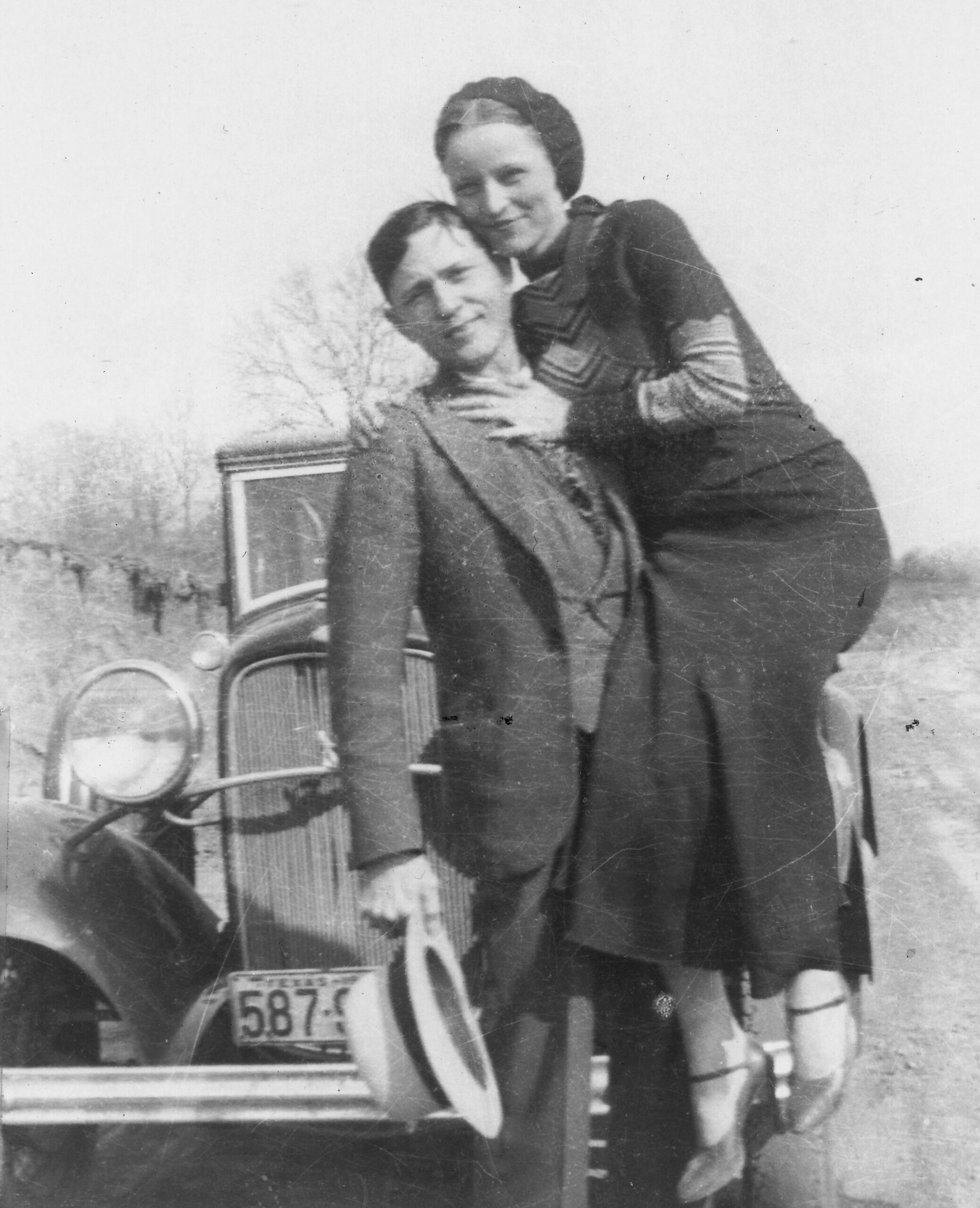
Historical true-crime feature — not breaking news. Bonnie Parker and Clyde Barrow became folk-culture figures in 1930s America, but the FBI record describes a dangerous series of robberies and other offences rather than the romantic adventure portrayed in films.
The story in context
The pair travelled across several states during the Great Depression. Their names were associated with car thefts, robberies and violent encounters involving law enforcement. Newspaper attention made their movements part of a national story at a time when public fascination with outlaws was unusually strong.
How the investigation developed
Investigators sought links between vehicles, witnesses and people known to associate with the group. The FBI later described how evidence involving a stolen automobile helped officials trace their movements. Several jurisdictions worked on the case because the offences crossed state lines.
Outcome and unresolved questions
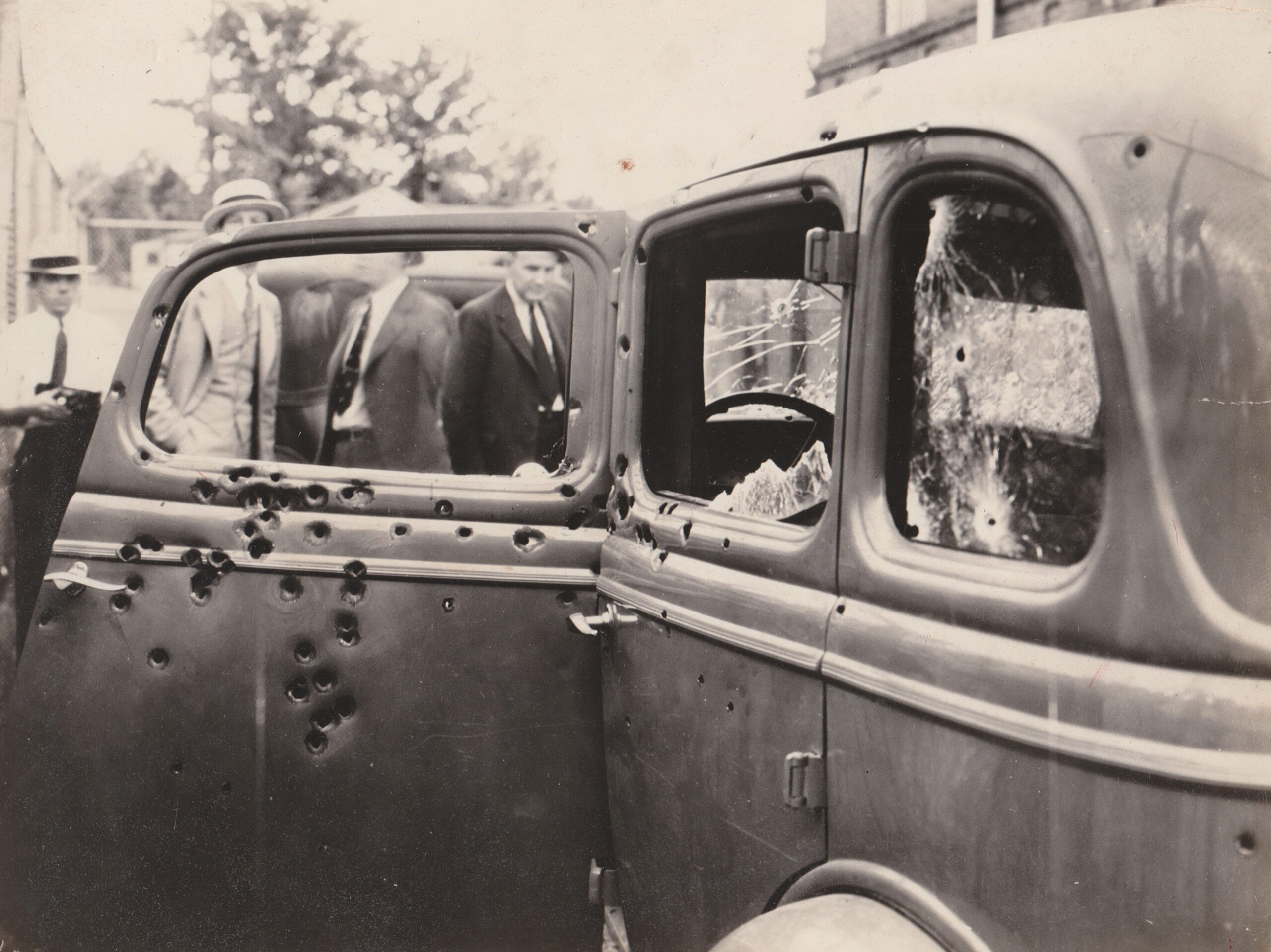
On 23 May 1934, a law-enforcement operation in Louisiana ended the fugitives’ lives. The search had been one of the most publicised manhunts of the era. Historians continue to examine how newspapers, later films and photographs shaped perceptions of the pair.
Why the case still matters
Their story illustrates the gulf between celebrity-like public attention and the reality of serious crimes. Our archive images show the two individuals and their vehicle; they contain no images of victims.
Sources and photo credits
Official or historical source. Images are historical photographs or documents, not AI-generated and not graphic. The image at the top is credited in its WordPress media-library entry.