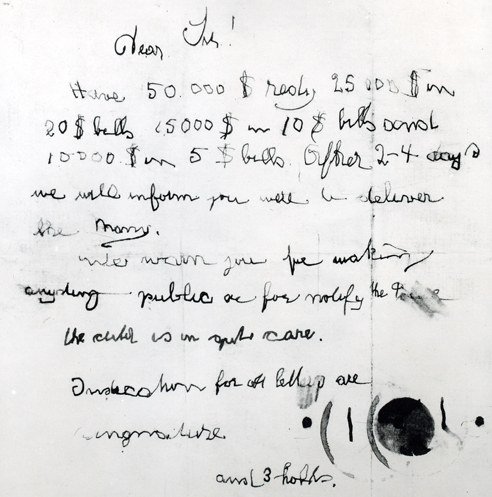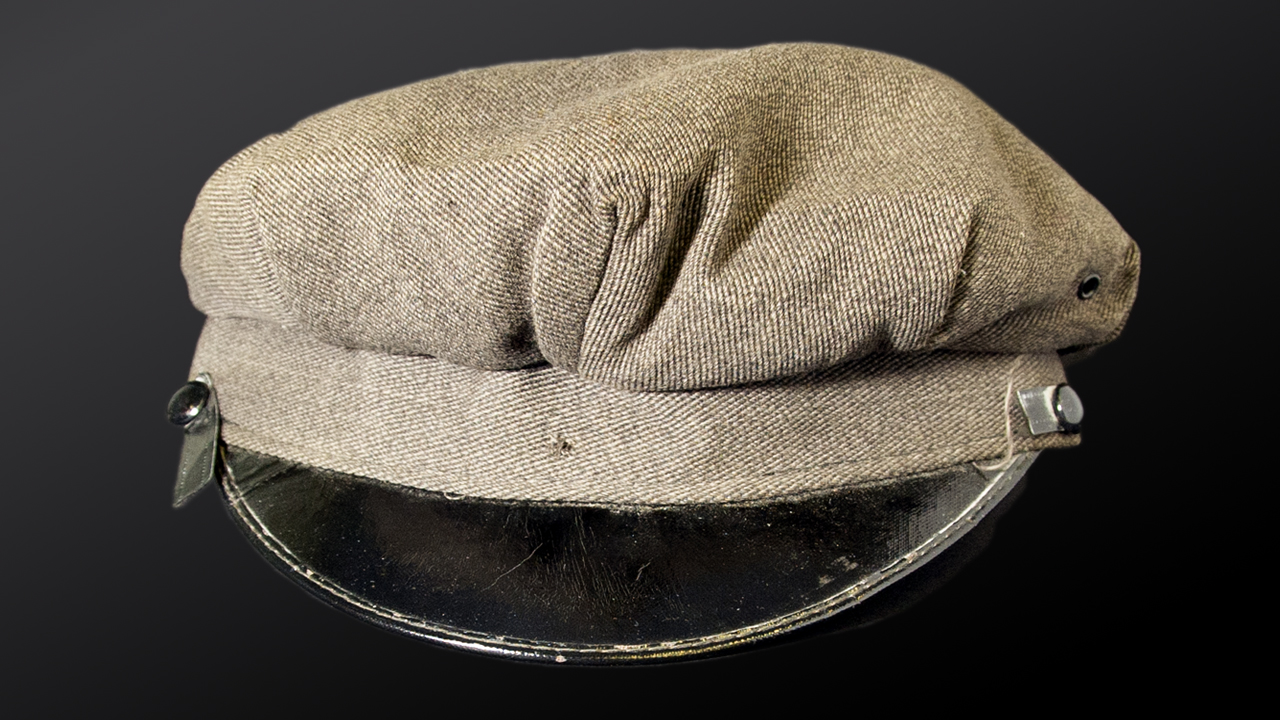




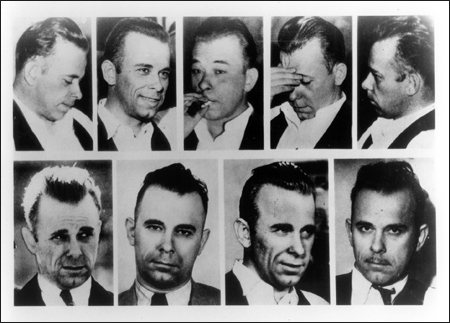
Historical true-crime feature — not breaking news. John Dillinger became one of the most widely recognised bank robbers of the 1930s. His escapes and the national search for him also became an early test of modern federal investigations.
The story in context
Dillinger was linked to a series of bank robberies during the Great Depression and travelled across state boundaries while evading capture. Media reports often focused on the drama of the search, giving him a reputation that outgrew the verified record of individual offences.
How the investigation developed
Federal and local authorities exchanged reports, descriptions and photographs while seeking reliable sightings. The case took place during a period when the Bureau was expanding its capabilities and building a more visible national law-enforcement role.
Outcome and unresolved questions
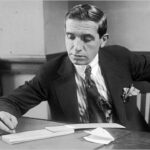
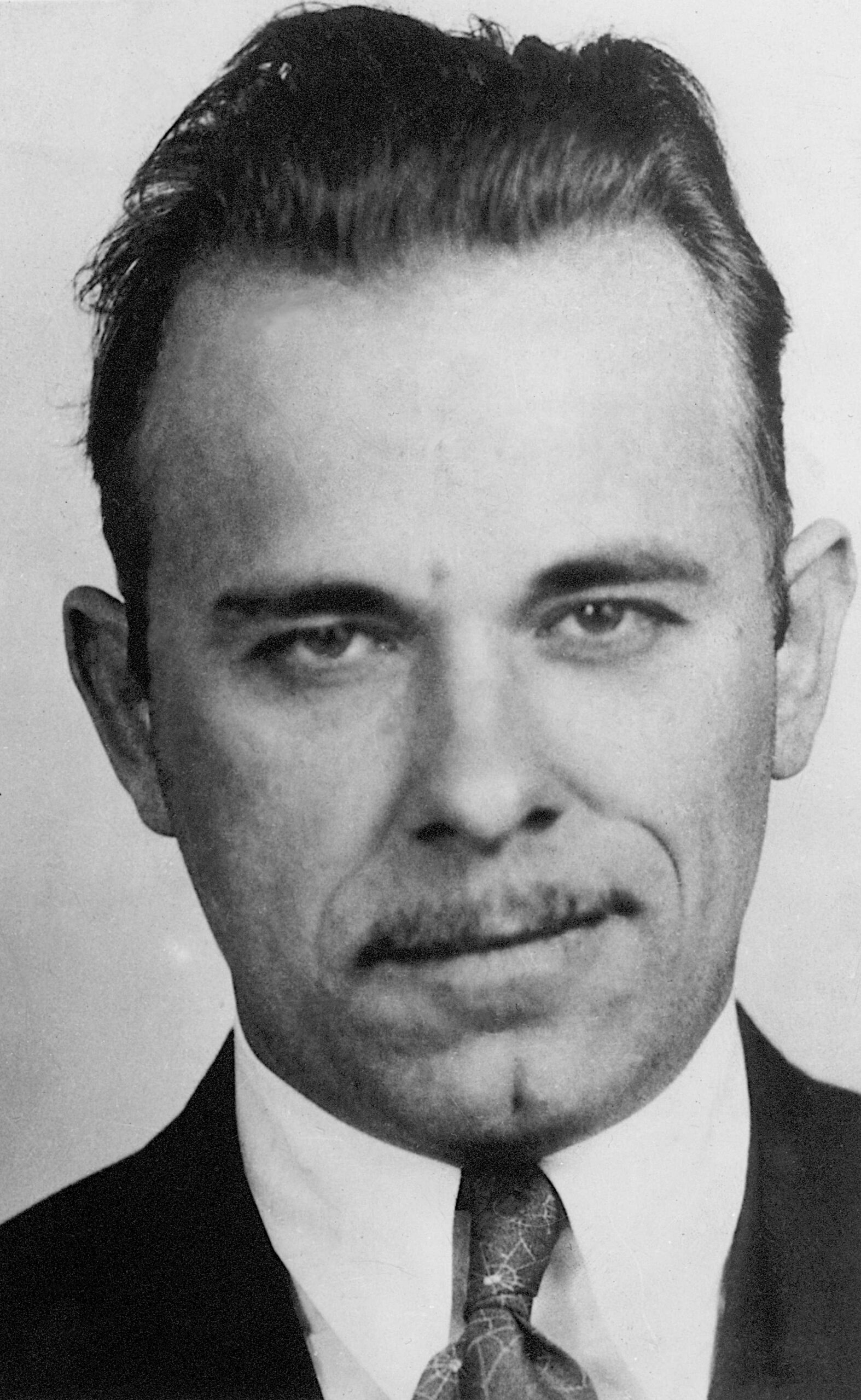
The search ended in Chicago in July 1934, when federal agents located Dillinger outside the Biograph Theater. His death closed the pursuit but did not end public fascination with the period. Surviving identification pictures have become familiar historical images.
Why the case still matters
The lasting lesson concerns coordination between agencies, the growing use of identification records and the danger of turning a wanted individual into a popular hero. The images reproduced here are archival identification material, not photographs of the final confrontation.
Sources and photo credits
Official or historical source. Images are historical photographs or documents, not AI-generated and not graphic. The image at the top is credited in its WordPress media-library entry.