


Historical true-crime feature — not breaking news. Elizabeth Short was 22 when she was killed in Los Angeles in January 1947. The investigation became one of the city’s most discussed unsolved cases and a lasting example of the risks of sensational crime reporting.
The story in context
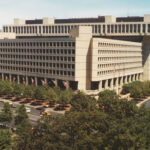
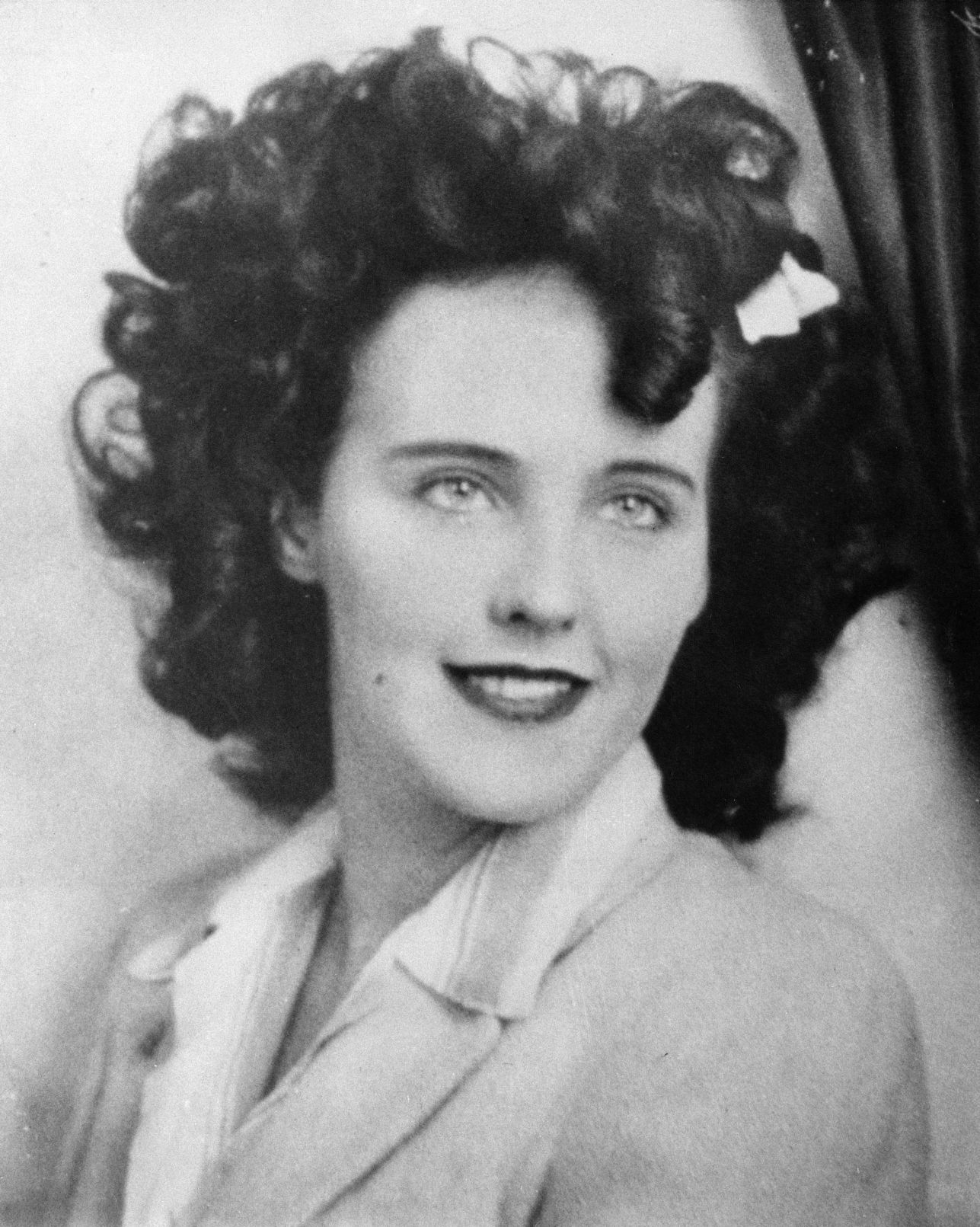
Short was a young woman whose life and hopes were often overshadowed by a nickname coined and repeated by the press. Following her death, the Los Angeles Police Department led an extensive investigation, while the FBI helped with identification and other records.
How the investigation developed
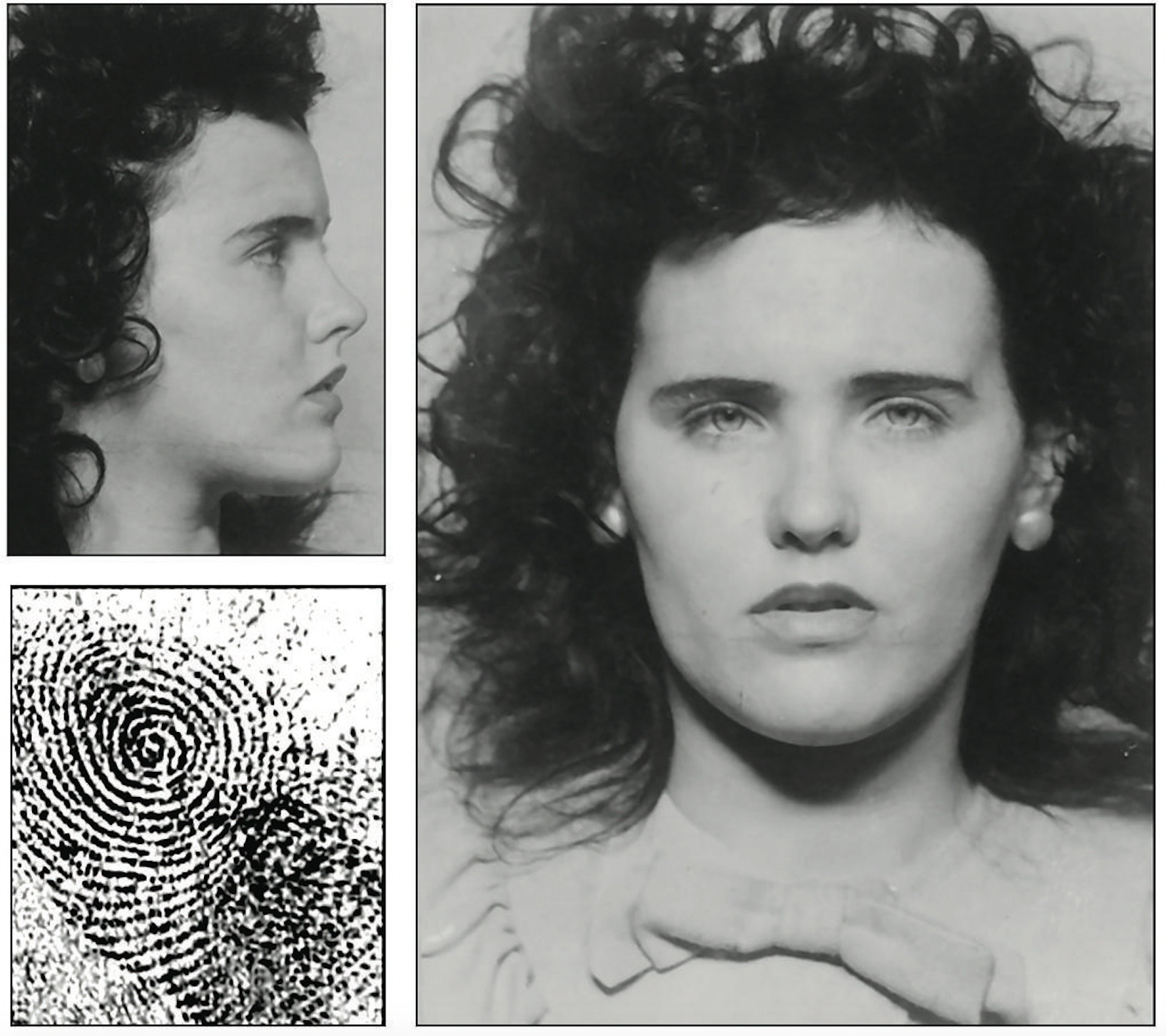
Investigators interviewed numerous people, examined leads and used fingerprint information. The case generated a large volume of publicity and speculation, including claims that were never established. Later theories about suspects remain distinct from a criminal conviction.
Outcome and unresolved questions
No one has been convicted of Short’s murder, and the case remains officially unsolved. The absence of a definitive answer has encouraged books and documentaries, but dramatic narratives should not be confused with evidence.
Why the case still matters
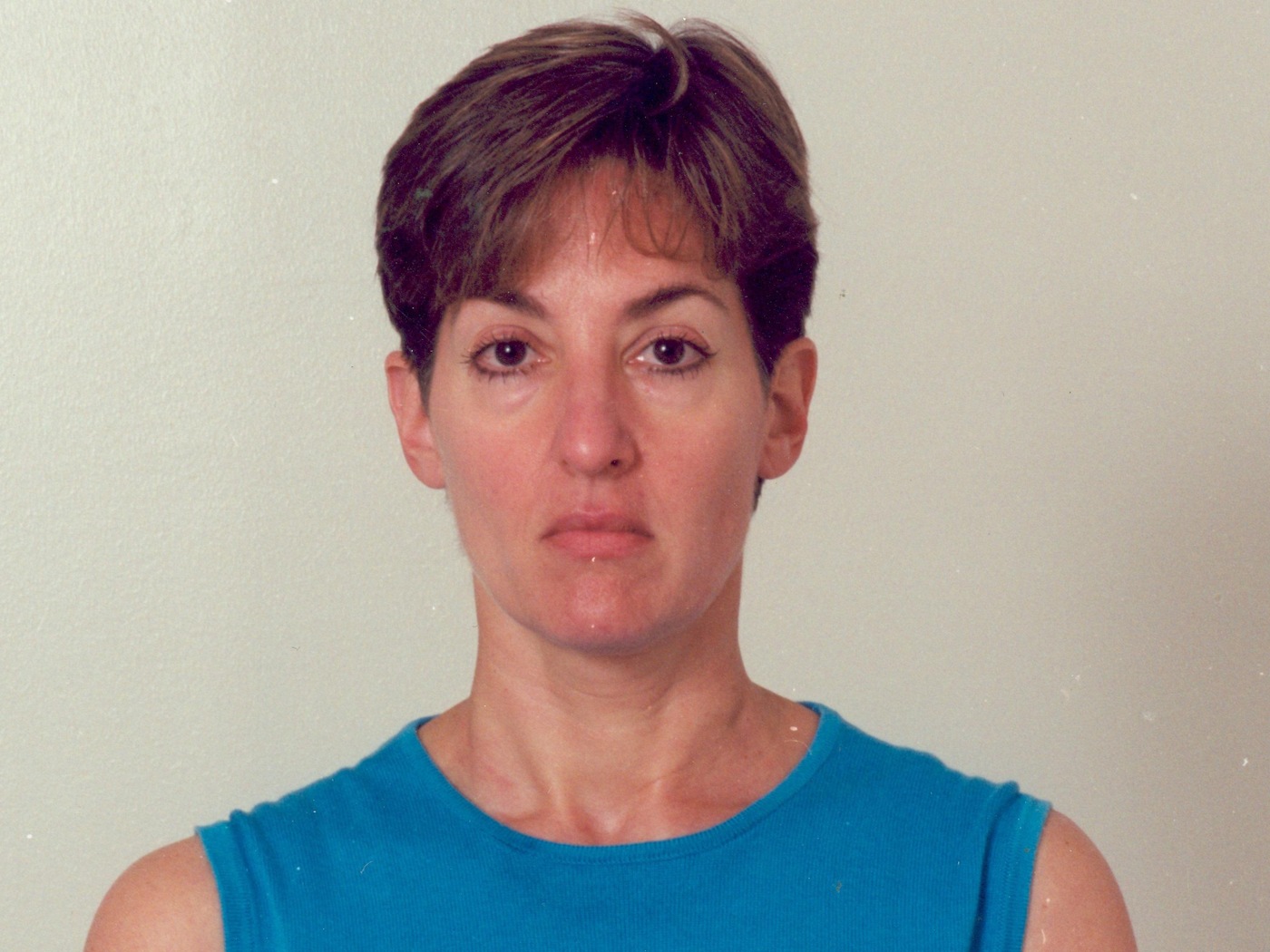
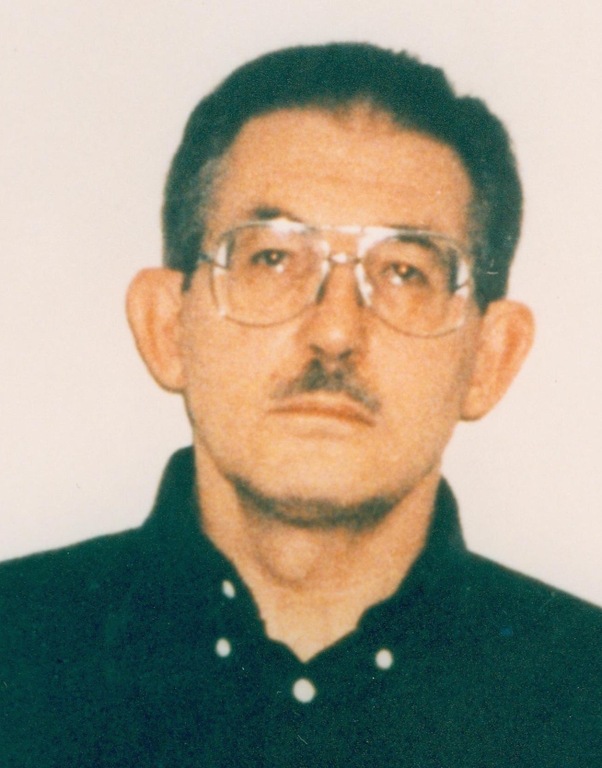
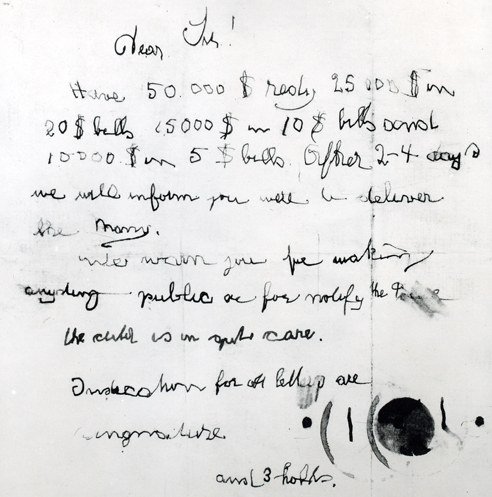
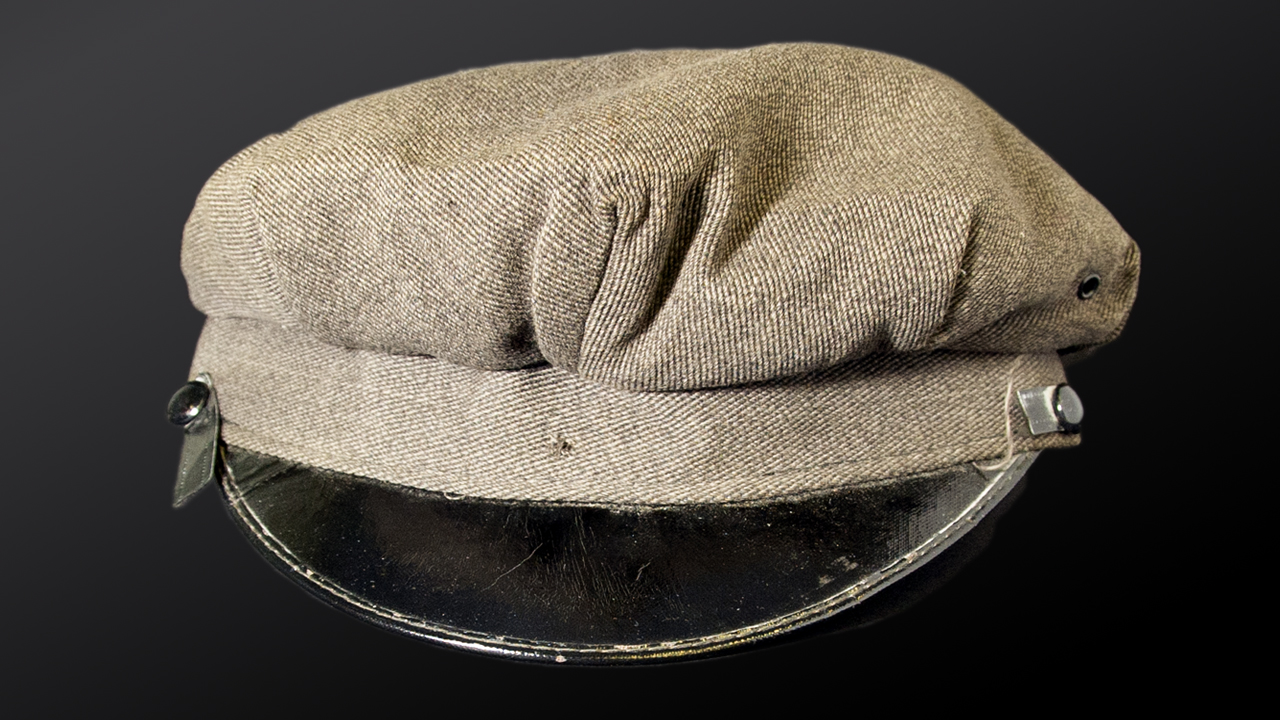
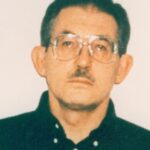
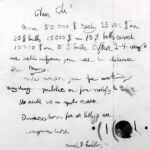
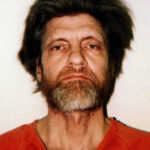
This article focuses on Elizabeth Short as a person and on the investigative record. The included police photographs and document are non-graphic; no crime-scene victim imagery is reproduced.
Sources and photo credits
Official or historical source. Images are historical photographs or documents, not AI-generated and not graphic. The image at the top is credited in its WordPress media-library entry.