








Historical true-crime feature — not breaking news. Bernard Madoff presented himself as a respected Wall Street investment figure, but his business concealed a vast fraud that collapsed in December 2008.
The story in context
For years, investors believed Madoff’s firm generated unusually stable returns. When clients began seeking their money back amid the financial crisis, the gap between reported investments and reality could no longer be hidden. Individuals, charities and institutions faced serious financial losses.
How the investigation developed
The FBI and federal prosecutors reconstructed an enormous network of account statements, transactions and false records. Investigators examined how fabricated documents sustained the appearance of ordinary investment activity and how warnings had been missed over time.
Outcome and unresolved questions
Madoff pleaded guilty in 2009 and received a 150-year federal prison sentence. He died in prison in 2021. The case is frequently cited as one of the largest Ponzi schemes in history; legal recoveries and distributions to victims continued long after the initial collapse.
Why the case still matters
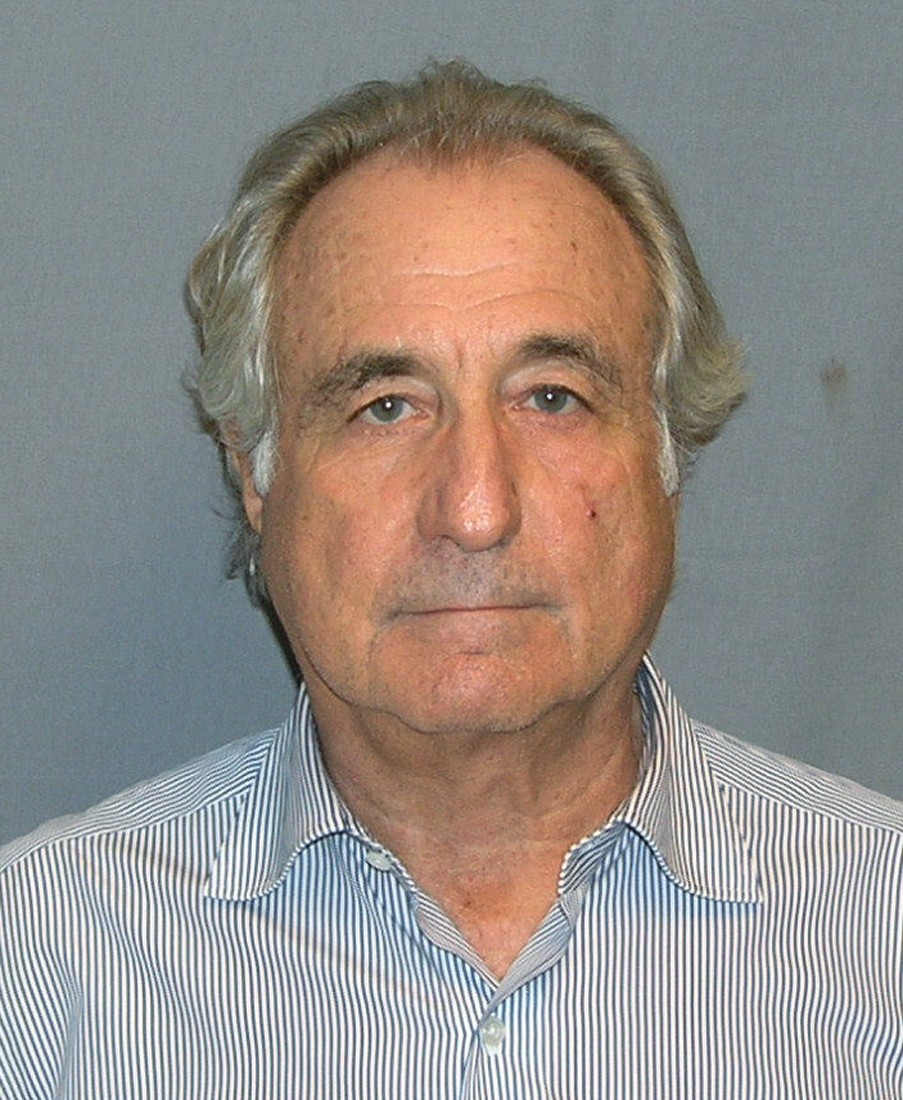
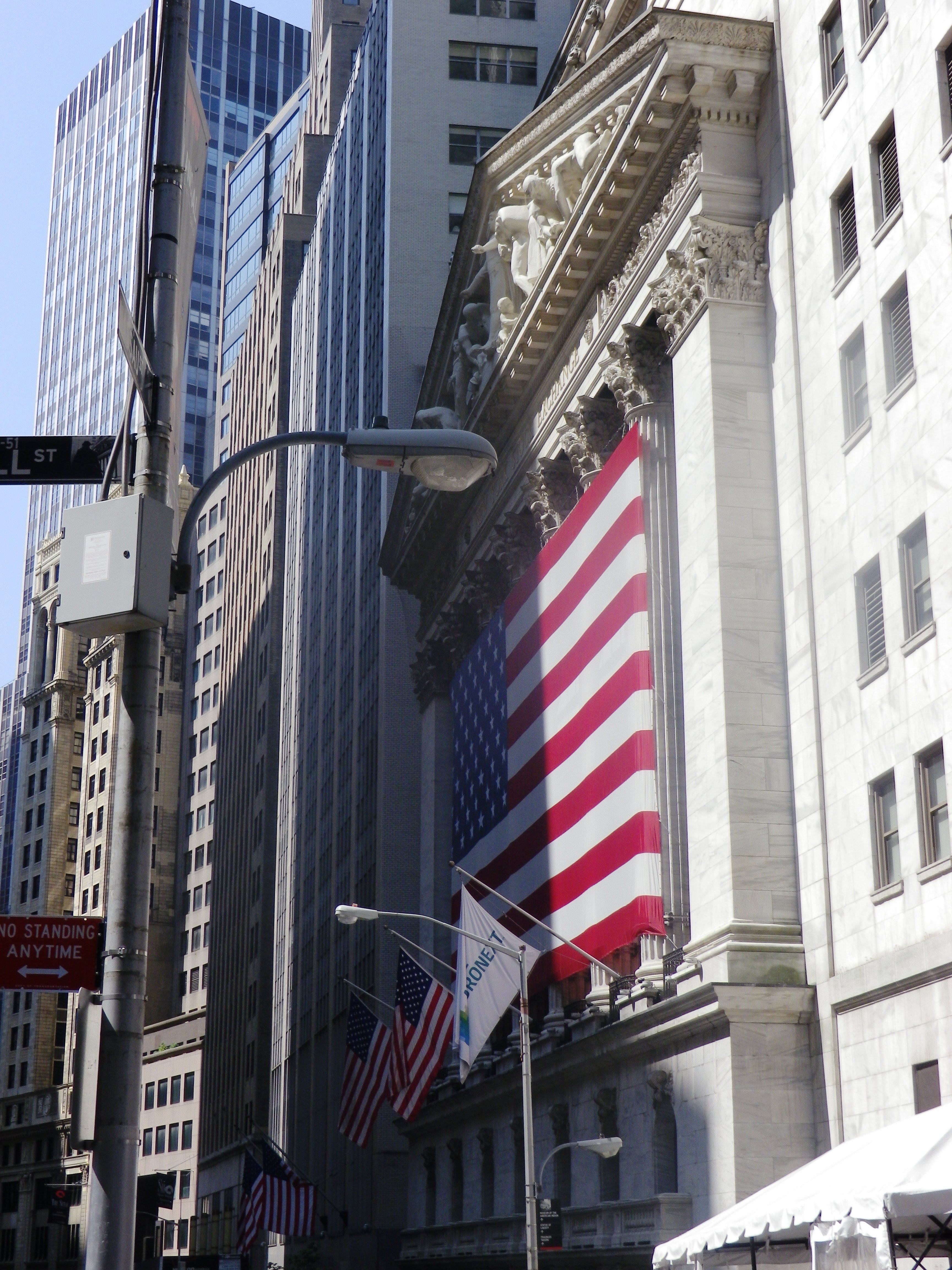
The story is about failures of trust, oversight and verification, not financial advice. Our photographs show Madoff’s official booking image and a later, illustrative view of the New York Stock Exchange—not the location of a proven transaction in the scheme.
Sources and photo credits
Official or historical source. Images are historical photographs or documents, not AI-generated and not graphic. The image at the top is credited in its WordPress media-library entry.