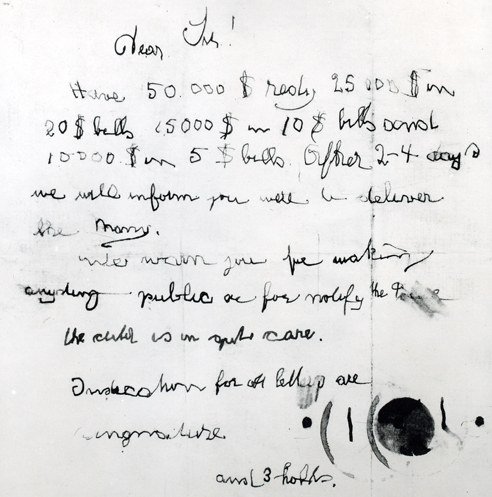











Historical true-crime feature — not breaking news. John Gotti became an unusually public figure associated with New York organised crime. His 1992 conviction marked a turning point in a lengthy investigation into the Gambino crime family.
The story in context
Gotti rose within the Gambino organisation in the 1980s. His public appearances and expensive clothing led newspapers to portray him as a celebrity-like mob boss. Behind that attention, prosecutors and investigators examined allegations of serious organised criminal activity.
How the investigation developed
The government’s case involved cooperation from witnesses and evidence gathered during a wider investigation. Salvatore Gravano, a senior associate, provided testimony. The prosecution demonstrated that Gotti’s reputation for avoiding convictions did not mean the evidence against him would always fail.
Outcome and unresolved questions
In 1992, a federal jury convicted Gotti on racketeering-related charges, including murder. He was sentenced to life in prison and died in 2002. Those judicial findings are distinct from the many unverified stories repeated about his earlier career.
Why the case still matters
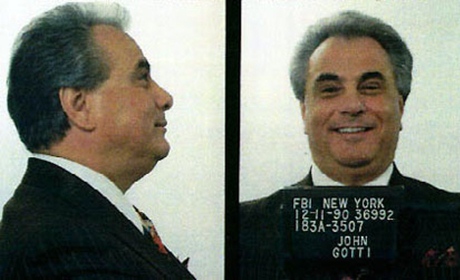
The case illustrates how investigators can build evidence over time against powerful criminal networks. Our two non-graphic images are official FBI booking photographs, not representations of the offences.
Sources and photo credits
Official or historical source. Images are historical photographs or documents, not AI-generated and not graphic. The image at the top is credited in its WordPress media-library entry.