





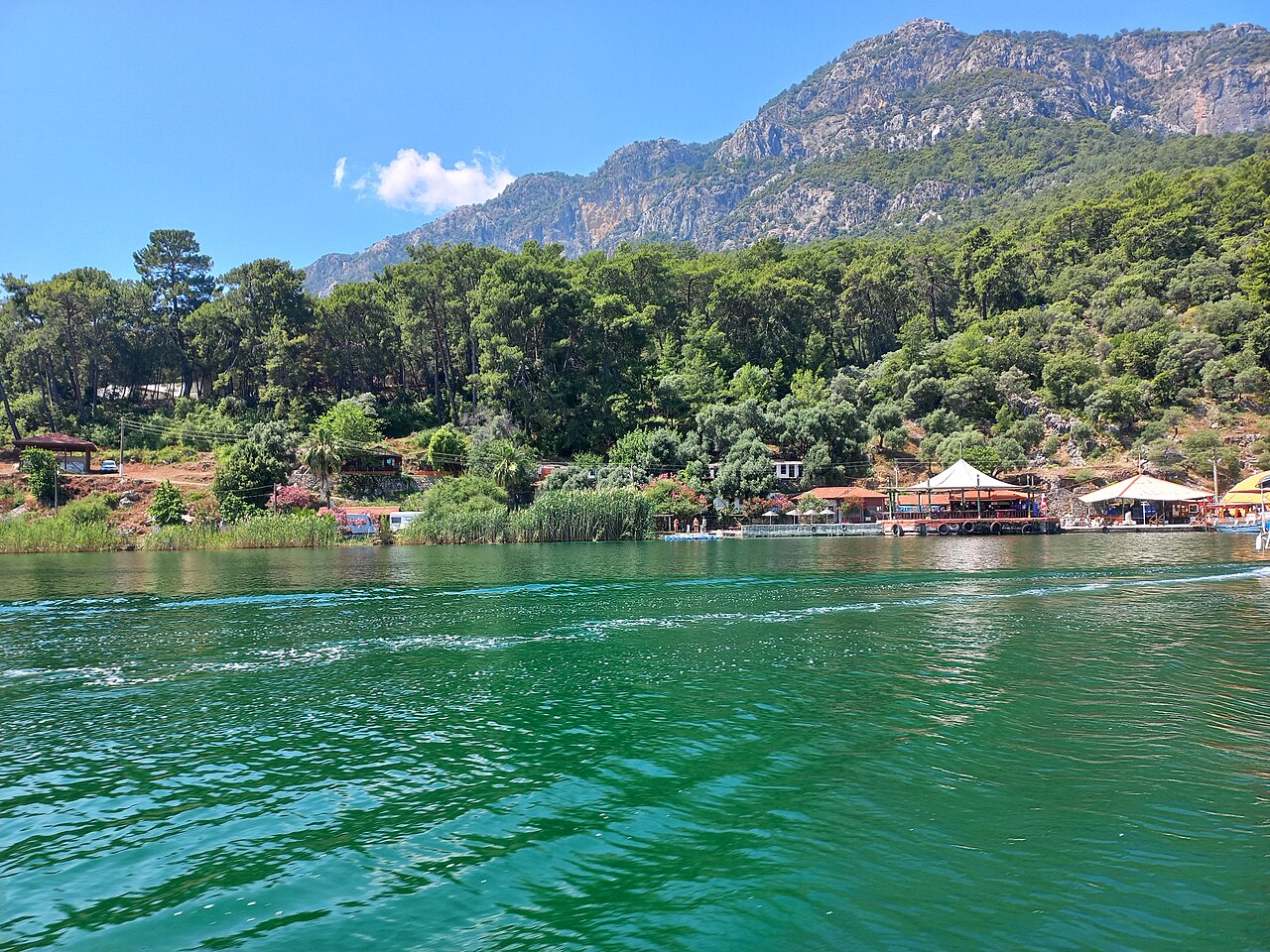
The European Environment Agency’s Resilient by Nature photography competition has highlighted five images examining the relationship between people and the natural world, in a report published on 15 November 2026. The winning subjects include Türkiye’s protected Dalyan Delta, a bird photographed beside rubbish in Spain, new growth after a fire and an Icelandic landscape shaped by melting snow. The selection illustrates both damage to ecosystems and their capacity to recover.
Five awards from a continent-wide competition
Photographers from 35 countries submitted almost 2,800 entries to the competition. An external jury selected winners in the three categories of harmony, disruption and renewal, as well as a youth-prize winner. A separate public online vote determined a public-choice award. These distinctions matter because the jury prizes and public selection were not determined through the same process. The competition was open free of charge to adults who were citizens of European countries or countries belonging to the European Environment Agency. Its stated purpose was to make the condition of Europe’s nature and the options for protecting it more visible through photographs.
The Dalyan Delta captures a fragile balance
Photographer Ali Aslan won the harmony category with an aerial image titled Sanctuary, showing the waterways and branching vegetation of the Dalyan Delta in Türkiye’s Muğla region. The area has special environmental protections dating to the 1980s, which have helped limit tourism-related development. The wetland supports more than 150 bird species and rare Turkish sweetgum woodland. Loggerhead turtles nest at nearby İztuzu Beach, where seasonal night closures and restrictions on pets help protect hatchlings. Ancient rock-cut tombs and the ruins of Kaunos also reflect a much longer human presence. The winning image brings these pressures and protective measures into one landscape, without suggesting that the ecosystem is free from risk.
A water rail amid litter in Spain
The disruption award went to Spanish photographer Julián Fernandez Quilez for El tubo de la contaminación. He positioned a remote-triggered, wide-angle camera inside a drainage pipe. The image shows a water rail examining discarded material including a face mask, bottle caps and a crushed drinks can, while the wetland remains visible through the opening. The picture demonstrates how debris associated with human activity can appear within an animal’s immediate environment. It does not by itself quantify the amount of pollution in the wider area, but it makes a familiar environmental problem visible through a carefully placed camera.
Renewal after fire and a young photographer’s discovery
Bulgarian photographer Elitsa Mihaylova won the renewal category with Where life returns, depicting a green shoot emerging from a burned landscape. The article notes that almost 700,000 hectares had burned in European wildfires by August 2026, nearly twice the long-term average cited by the European Commission. A single surviving plant does not mean that every damaged ecosystem will recover quickly; some changes can last for decades. The youth prize went to 18-year-old Denat Lahi, who used research into animal signs, wildlife databases and camera traps to photograph a pine marten inside an old barn in Lund, Sweden. His image connects wildlife observation with human-made surroundings.
An Icelandic snow pattern wins the public vote
The public-choice award went to Radoslav Sviretsov for Tree of life, an aerial photograph of the Icelandic Highlands. Melting snow traces branching lines across the landscape, while moss gives the pattern green highlights. Snow ordinarily retreats seasonally in the region, but the article explains that warmer springs can bring earlier melting and mild winters can reduce replenishment. The visual beauty of the scene is thus accompanied by concern over changing water cycles. The photograph documents a specific place and moment rather than establishing a full climate trend on its own.
What the awards show about environmental pressures
- The jury awarded prizes in harmony, disruption, renewal and a youth category.
- A separate public vote selected the Icelandic image.
- The winning subjects span Türkiye, Spain, Bulgaria, Sweden and Iceland.
- The contest received nearly 2,800 photographs from 35 countries.
The awards arrive as the state of European ecosystems remains a major concern. The European Environment Agency’s assessment found more than 80% of protected habitats in poor or bad condition, as reported by Euronews. The photographs are artistic interpretations of specific examples and cannot replace scientific monitoring, but they help people recognise the places and species affected by environmental change.
What remains to be confirmed
- Whether the competition organisers will publish more detailed participation statistics.
- Any future conservation changes at the specific sites photographed.
- The dates and categories for a subsequent edition of the competition.
Source: Euronews