








A new diphtheria outbreak has hit a girls' boarding school in Kano State, in northern Nigeria. Health authorities say they tested 313 suspected cases at the First Lady's College in Mariri, in Kumbotso local government area, and that 12 were clinically confirmed. No deaths have been reported.
What we know
The Kano State Centre for Disease Control (KNCDC) says it received the first report on Wednesday 11 November. The outbreak was made public on Friday 13 November.
"We tested 313 suspected cases, out of which 12 were clinically confirmed," said Prof. Muhammad Adamu Abbas, Director General of the KNCDC. According to a staff source quoted by Daily Trust, the school has more than 2,000 students.
- One student with a severe form of the disease has been admitted to the Infectious Diseases Hospital (IDH) in Kano.
- Preventive medication has been given to all identified contacts.
- Parents must present a medical certificate before their daughters can return to school.
The principal, Atine Muhammad, said the alert was raised when three students returning to school showed symptoms. They were sent home with instructions to go to the IDH.
The response on the ground
A rapid response team has been deployed with the local government areas of Kumbotso, Tarauni and Nassarawa. Surveillance is being stepped up through disease surveillance and notification officers in all 44 local government areas of the state.
The main obstacle is the lack of vaccines. "There is a need for massive vaccination in the school," Prof. Abbas said. According to the KNCDC, the state has requested 9 million doses but has received only 500,000.
What is diphtheria?
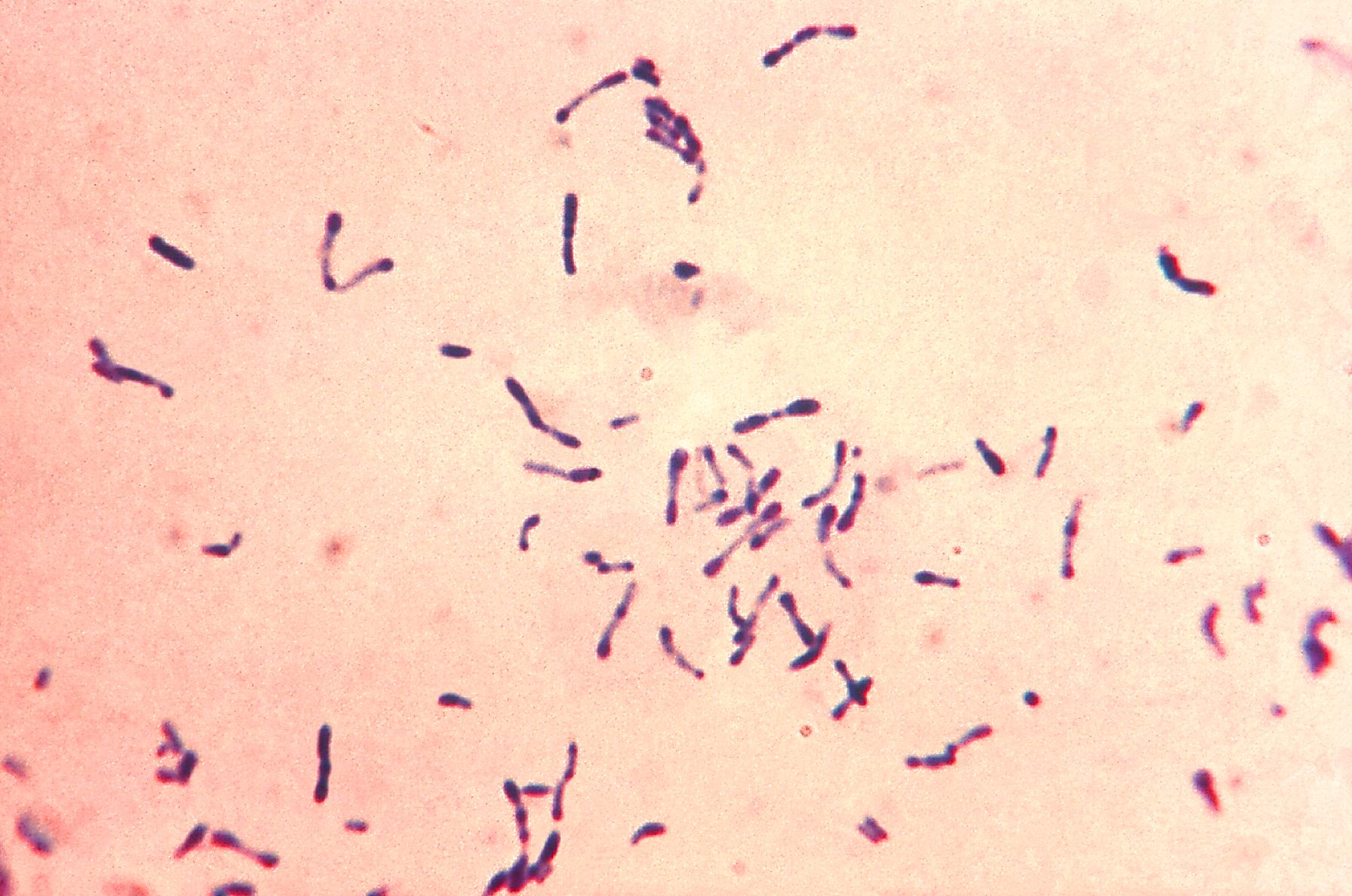
Diphtheria is a bacterial infection caused by Corynebacterium diphtheriae. It spreads through respiratory droplets and close contact. The bacterium produces a toxin that can form a thick membrane in the throat, block breathing and damage the heart and nerves.
The disease is preventable by vaccination, usually given in childhood in combination with tetanus and whooping cough vaccines, with booster doses. It is treated with antitoxin and antibiotics, and close contacts receive preventive treatment.
Nigeria's long-running epidemic
Kano has been at the centre of Nigeria's diphtheria epidemic since it began in late December 2022. By October 2023, the country had recorded around 14,000 cases and more than 600 deaths, over 500 of them in Kano. In February 2025, Premium Times reported 24,864 cases and 1,264 deaths nationwide.
According to Anadolu Agency, the national toll stood at 28,151 cases and 1,126 deaths as of 7 November 2026, which it describes as the largest outbreak ever recorded in the country. This lower death figure differs from earlier reports and could reflect revised counting; it has not been independently confirmed.
Most deaths have occurred among unvaccinated children. The World Health Organization has assessed the national risk as high, pointing to low routine vaccination coverage, especially in the north.
Why it matters
Boarding schools, where hundreds of students share dormitories and dining halls, are particularly exposed to respiratory infections. The Mariri outbreak shows that, nearly four years after the epidemic began, vaccination gaps remain wide in Kano.
What remains to be confirmed
- Whether laboratory tests confirm the 12 clinical cases.
- How many additional doses Kano will receive, and when a vaccination campaign at the school will begin.
- The condition of the student admitted to the IDH.
- Updated national figures from the Nigeria Centre for Disease Control.
Main image: Corynebacterium diphtheriae under the microscope, 1973 (illustrative image) — CDC Public Health Image Library, Wikimedia Commons, public domain.