






What happened
UN Women, the United Nations agency for gender equality, published a fact sheet on 10 November at the COP31 climate conference in Antalya, Türkiye. Its main warning: in a worst-case scenario, climate change could push up to 141 million additional women and girls into extreme poverty by the middle of the century.
The key figures
- More than one in three women and girls worldwide, roughly 1.5 billion, live in “climate hotspots”: places highly exposed to hazards such as cyclones and droughts, where jobs are insecure and inequality between women and men is deep.
- If current trends continue, the world is heading towards 1.8 °C of warming by 2050.
- Data from 24 countries suggest that a rise of 1 °C in average temperatures could make women lose 34 per cent more of their income than men.
- 326 million women and girls still have no access to electricity.
Why women are hit harder
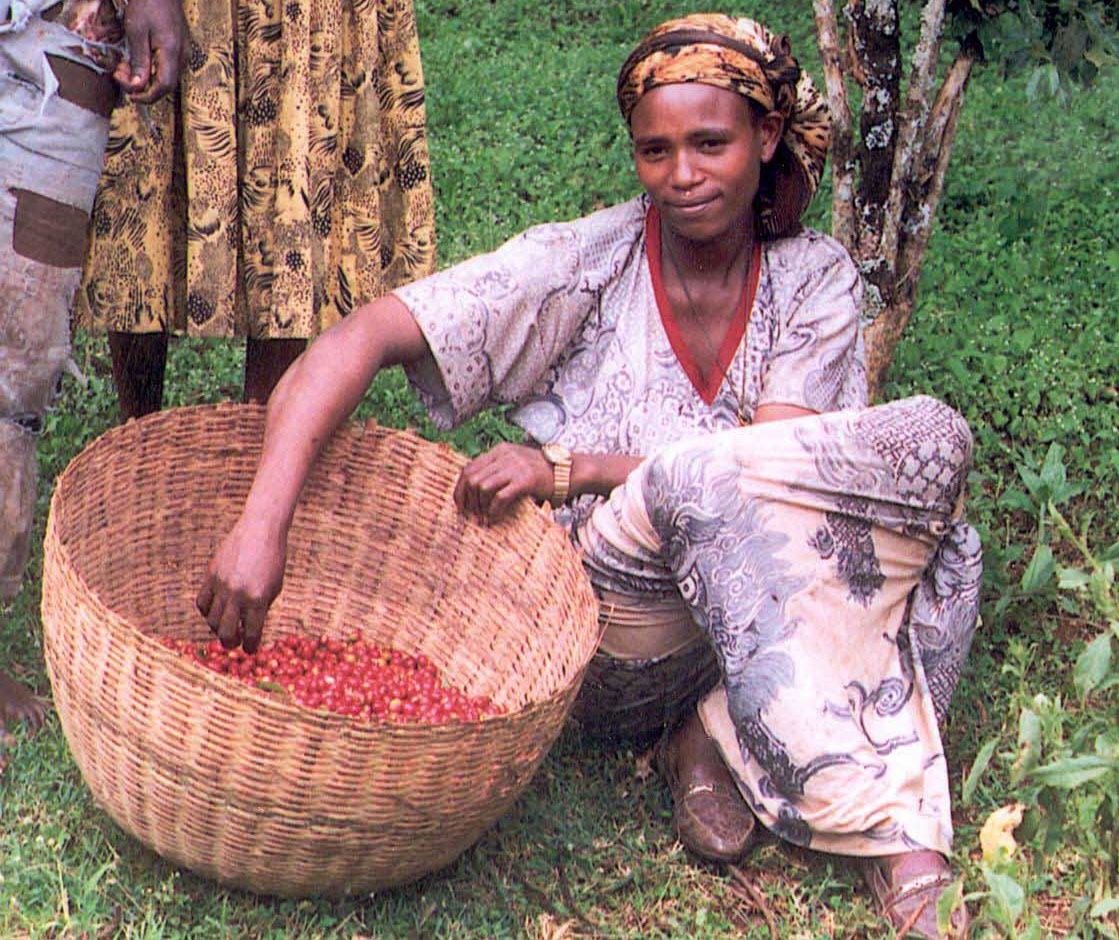
According to the agency, when harvests fail, women have fewer options than men to find work outside farming or to migrate. Climate change also adds to their unpaid work, such as fetching water and fuel or caring for relatives after a disaster.
The fact sheet also links climate stress to violence and early marriage. Across 14 countries, long periods of extreme drought were associated with 21 per cent higher odds of sexual violence against adolescent girls and young women. In 24 of the 46 countries with data, child marriage was more common in drier areas than in more humid ones.
Few seats at the table
UN Women notes that 73 per cent of national climate plans recognise the risks facing women and girls, but only just over one in three addresses them fully. Women hold 12 per cent of energy ministries, and 4 per cent of climate-related development aid makes gender equality a priority.
“We must give women and girls equal rights, resources and the power to lead, and they will help drive the change our world so urgently needs,” said Sima Bahous, the agency's Executive Director.
What the agency is asking for
At COP31, UN Women urges leaders to put women's rights at the heart of climate action, to protect women who defend the environment and to give women and girls a greater role in decisions.
What to keep in mind
The figure of 141 million is a worst-case projection, not a forecast. The other figures describe statistical links observed in a limited number of countries. This article relies on the United Nations' own account of the fact sheet.