




What happened
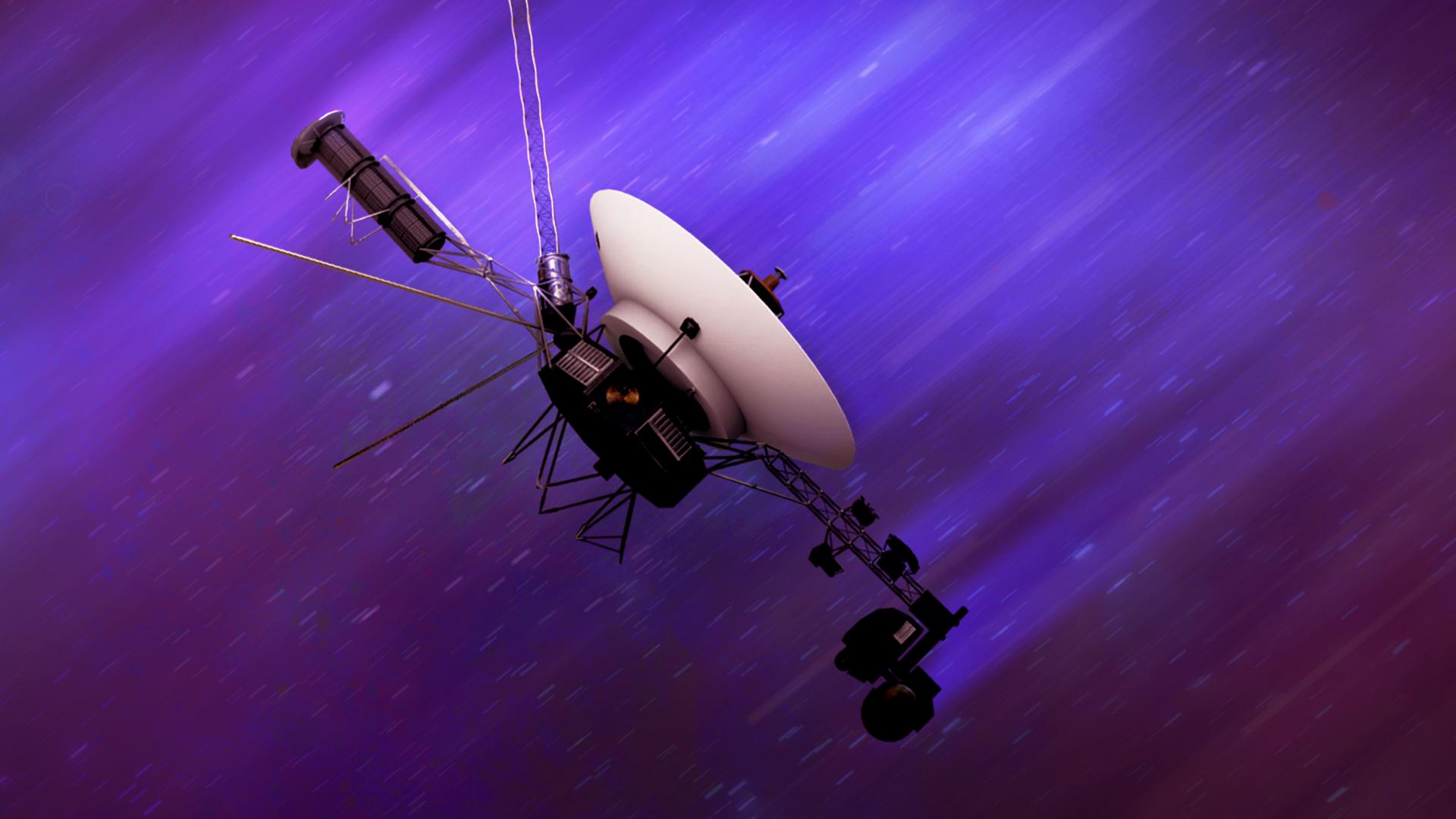
NASA has announced that Voyager 1, launched in 1977, will be one light-day from Earth on Wednesday 18 November. That is more than 25.9 billion kilometres. According to the agency, it is the most distant object ever built by humans.
Why it matters
A light-day is the distance light travels in 24 hours. In practice, a radio command sent from Earth needs 24 hours to reach the probe, and the reply needs 24 hours to come back. By our calculation, engineers therefore wait about 48 hours to learn whether an instruction worked.
What we know
- On 17 November, NASA invites the public to take part in “Shine Bright for Voyager's Light-Day” by shining a light after sunset. A NASA web page makes phones flash “VGR”, Voyager's call sign, in Morse code.
- On 19 November at 17:00 UTC, NASA's Jet Propulsion Laboratory in California will host a discussion with the mission team about the state of Voyager 1 and Voyager 2. It will be streamed online.
- The event will include a preview of a documentary planned for 2027, the 50th anniversary of the mission.
- Voyager 1 entered interstellar space in 2012, and Voyager 2 in 2018. Both still send data from beyond the heliosphere, the protective bubble created by the Sun.
- The mission used an alignment of the outer planets that occurs once every 176 years.
What remains to be confirmed
NASA's release gives the date of the milestone but not its exact time. This article relies on a single source, NASA's own announcement. The 48 hours figure is our deduction from the 24 hours delay, not a statement by NASA.