









What happened
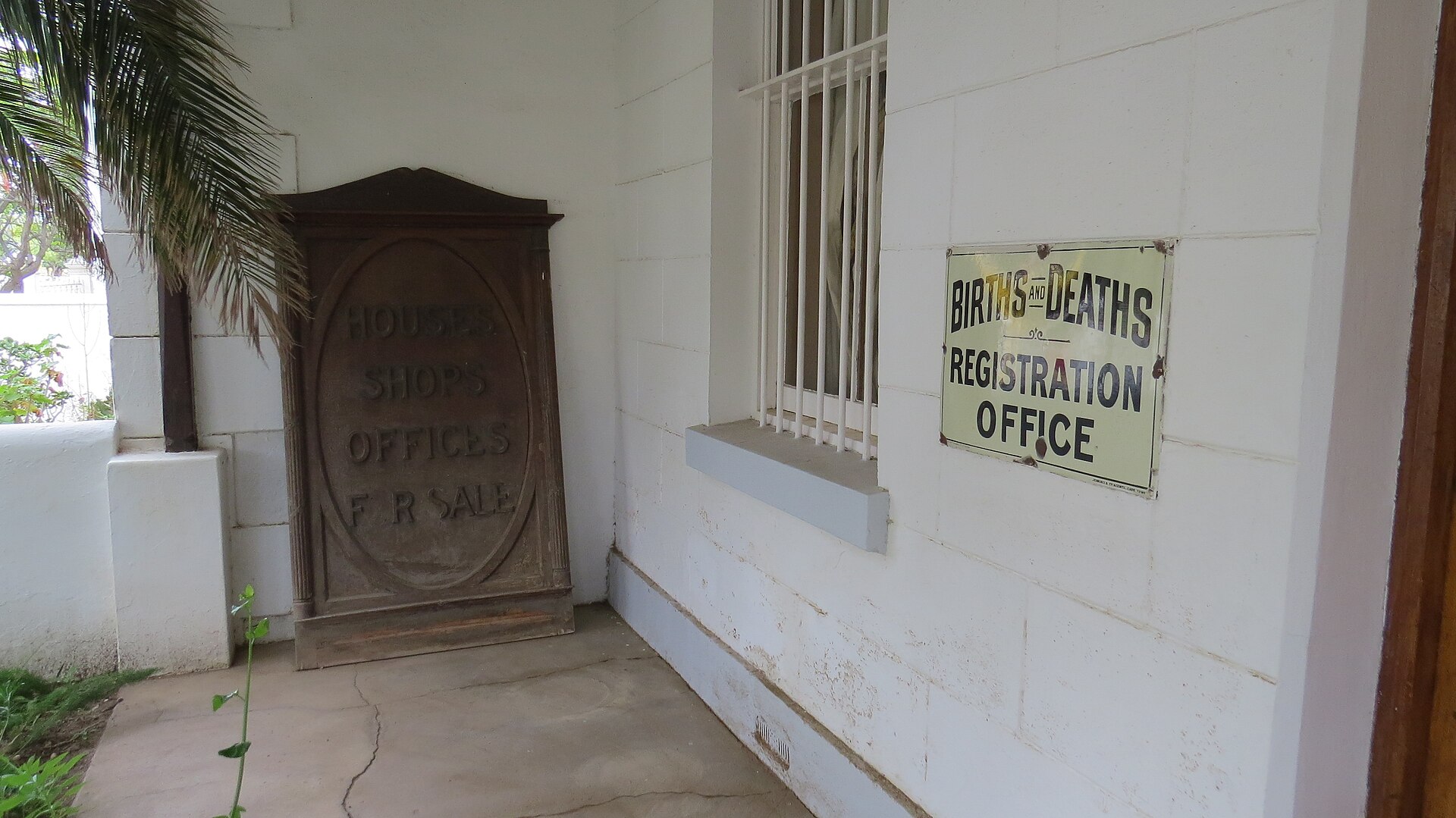
The World Health Organization (WHO) published a report on health information systems in Africa. It was launched at the First African Health Data Forum, which opened in Nairobi on Tuesday 10 November and runs through Thursday. According to UN News, it points to critical gaps in how deaths are recorded and how health data is collected and interpreted.
Why it matters
Reliable data lets authorities spot emerging threats and act. Dr Mohamed Janabi, WHO regional director for Africa, said that without knowing why people are dying or which children miss essential services, the people most in need may be overlooked.
What the report found
- Of the 40 countries assessed, 19 report that authorities are notified of at least 8 in 10 deaths.
- 21 countries record a cause for at least 8 in 10 of the deaths that are registered.
- 43 per cent have enough capacity to analyse health data at clinic and hospital level, and only 1 in 4 can check its quality there.
- Only 18 per cent have a dedicated budget for health information systems. Coordination, routine data-quality checks and trained staff are also weak points.
Signs of progress
Of the 47 countries in the WHO Africa Region, 43 have adopted a digital platform to collect and report routine health information. In Nigeria's Bauchi state, health authorities used vaccination and community data to identify children who had missed routine vaccines. The forum will also discuss how digital health and artificial intelligence can strengthen these systems.
What remains to be confirmed
This article relies on a single source, UN News. We did not read the WHO report itself, so the figures are those reported by the UN.