
A week of road blockades has forced the government of José Antonio Kast to retreat on fuel prices. On Friday 13 November, the Chilean executive sent Congress a bill to reverse the planned fuel price increases, and the truck drivers' strike that had been paralysing several highways came to an end.
The episode comes at a difficult time for the far-right president, elected in December 2025 and in office for about eight months. His approval rating has fallen to 24%, NPR reports.
Where the crisis comes from
Fuel prices in Chile have risen since the start of the US-Israeli war with Iran, which pushed up world oil prices. In July, the government chose not to activate the MEPCO, the mechanism that cushions fuel price swings for consumers, citing its cost to public finances.
For hauliers, whose margins depend directly on diesel, the result was a series of increases at the pump. "We can't take any more," transport leaders said, quoted by the Paraguayan daily ABC Color.
What is the MEPCO?
The MEPCO (Mecanismo de Estabilización de Precios de los Combustibles) was created in 2014. It works through the specific tax on fuel: when international prices rise sharply, the variable part of the tax is lowered to smooth the increase at the pump, and it is raised again when prices fall. The state therefore gives up revenue during price spikes.
By declining to use it this year, the government let world prices pass more directly to motorists and hauliers. Small transport firms, which cannot easily pass their costs on to customers, were among the first to be hit.
A week of blockades
The movement, led mostly by small transport companies and owner-drivers, started on 9 November with an indefinite strike:
- blockades on several roads in the south of the country, according to Infobae;
- protests on Ruta 5 and Ruta 68 in the Santiago Metropolitan Region, according to BioBioChile;
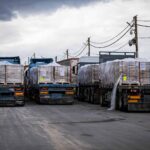
- convoys of slow-moving lorries on the main access roads to the capital.
The deputy interior minister, Gonzalo Arenas, warned that the right to protest "does not include the right to block roads".
The truckers' demands
A union leader read out the list of demands live on Chilevisión. The main points were:
- reactivate and restructure the MEPCO straight away;
- abolish the specific tax on fuel;
- revise the motorway concession contracts and the electronic toll system.
The government's retreat
The executive first proposed a bill capping fuel increases at 20 pesos for 90 days. That was not enough to end the movement. On 13 November it went further, with a text to cancel the planned increases, which it hopes Congress will approve this month. The strike was then lifted.
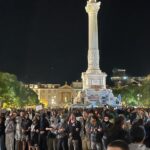
The same evening, a march in Santiago against the government was dispersed with water cannon. Among the protesters interviewed by NPR, Simón Echavarría, a 30-year-old architect, and Patricia Pereira, a 30-year-old veterinarian, spoke of their exhaustion with the cost of living and with the government's choices.
Inflation at an 18-month high
The fuel dispute comes on top of other difficulties. Consumer prices rose 0.5% in October, bringing annual inflation to 4.5%, the highest level in eighteen months, NPR notes.
The government has also been criticised for its draft budget, which proposes cuts in education, culture, science and social programmes. In October, it emerged that 56 prisoners had had their sentences reduced; Kast called it an "error".
What remains to be confirmed
- The final content of the bill and the date of its vote in Congress.
- The cost of the measure for public finances and how it will be funded.
- Whether the hauliers' other demands, on taxes and tolls, will be negotiated.
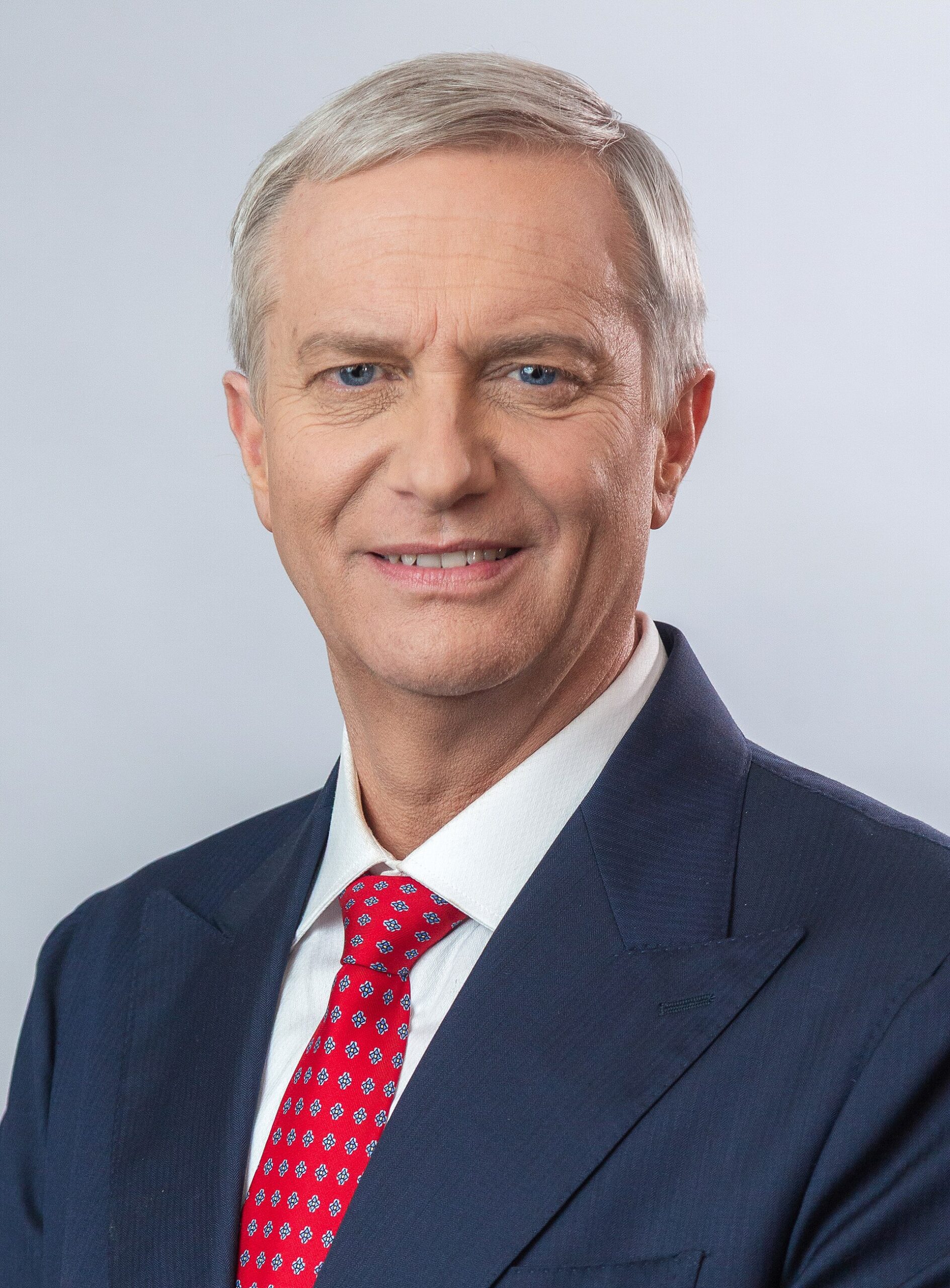
Main image: José Antonio Kast in July 2025 (file photo) — Equipo Kast, Wikimedia Commons, CC BY 4.0.
Sources
- KPBS / NPR — Fuel crisis and protests pressure Chile's far-right president
- Infobae — Camioneros bloquean varias rutas en el sur de Chile en rechazo al aumento de combustibles
- BioBioChile — Camioneros se manifiestan por valor de los combustibles en distintas rutas de la Región Metropolitana
- Chilevisión — El petitorio de camioneros movilizados por alza de combustibles